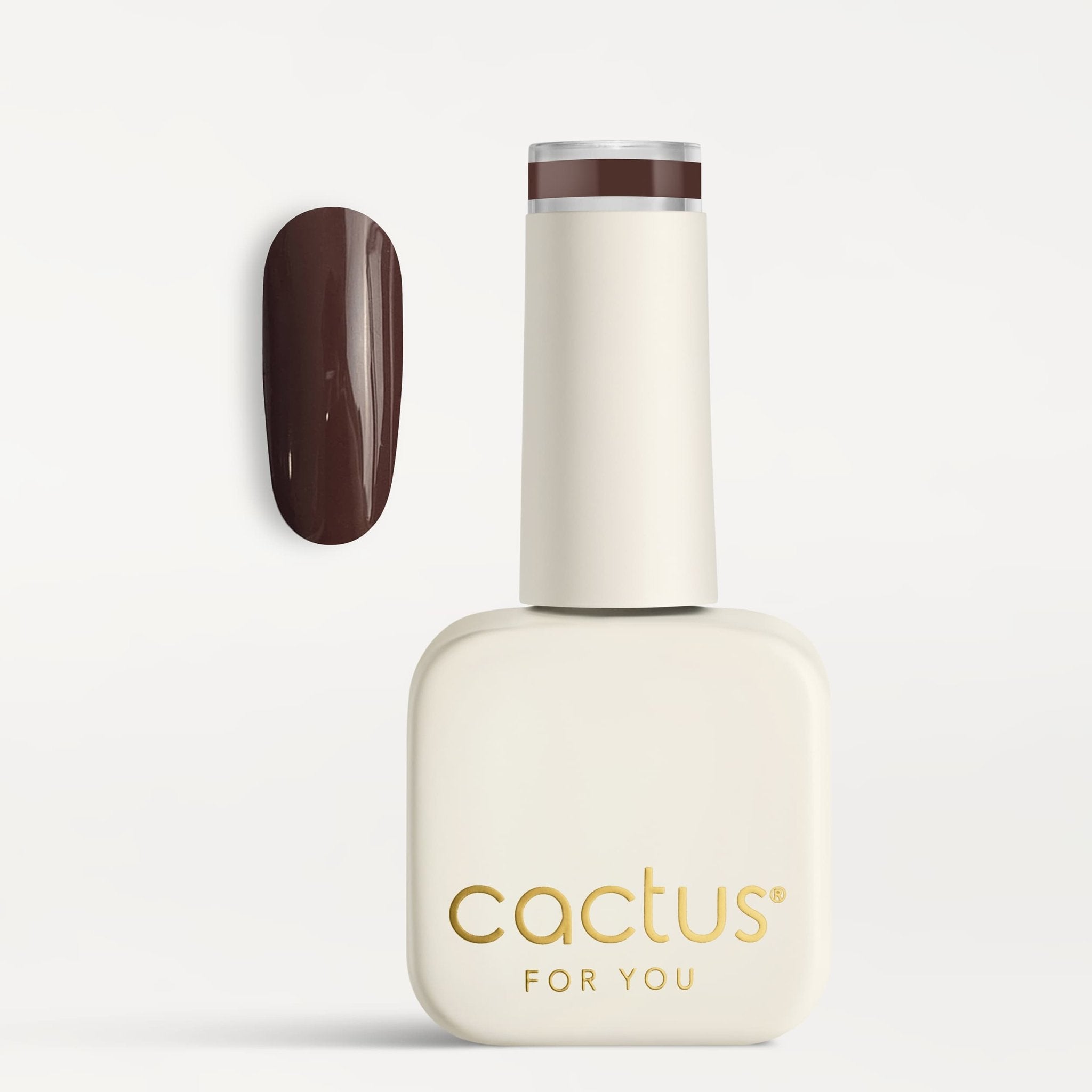
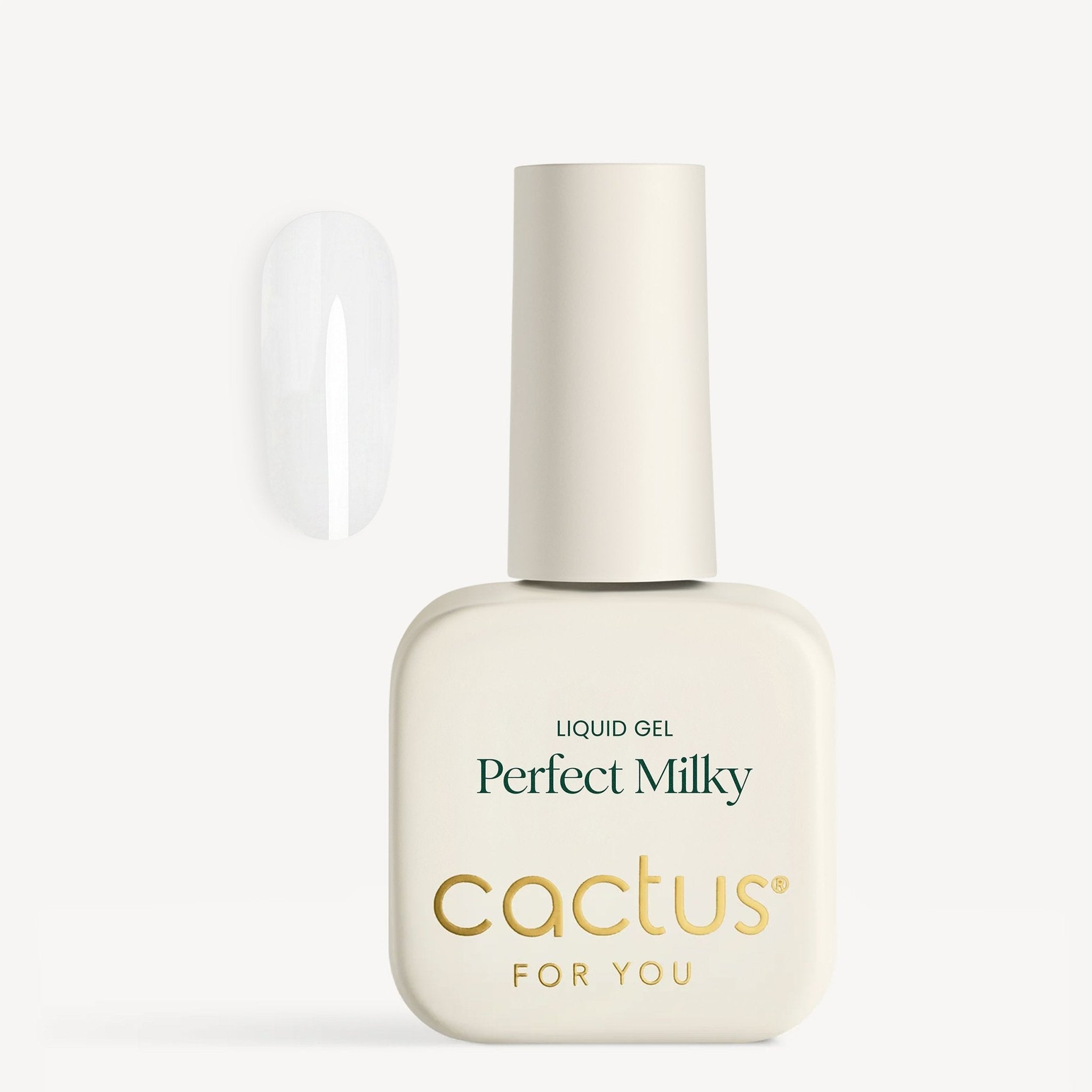
Universal semi-permanent base 15ml


Step One Base 15ml


Hard Cactus Base Cream 15ml

Hard Cactus Base French Pink 15ml


Hard Base Cactus Ivory 15 ml


Cactus Hard Base Latte 15 ml


Base Rubber Caramel 15ml


Rubber Base Milk 15 ml


Rubber Base Soft Pink 15 ml


Hard Cactus Base Clear 15ml
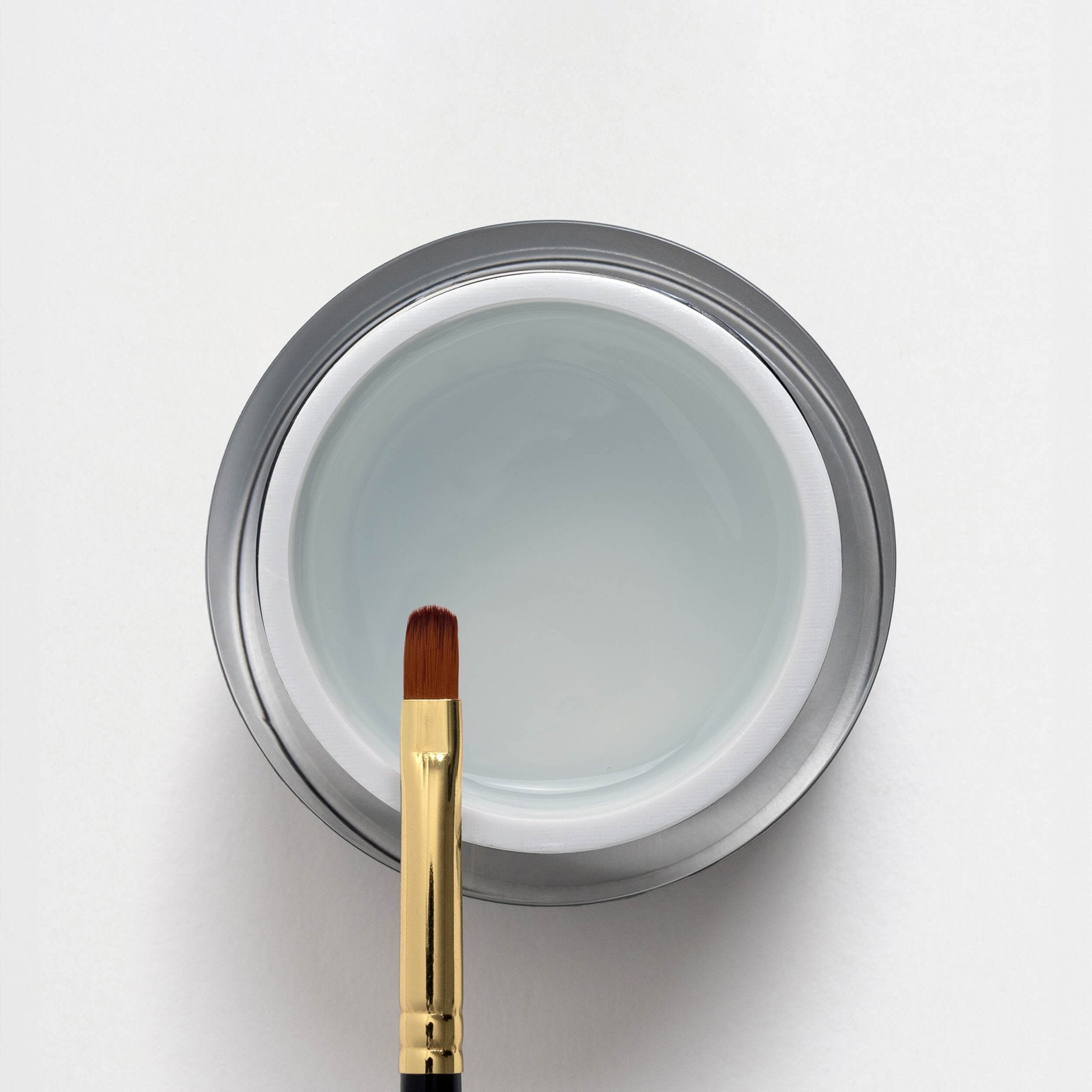

Hard Cactus Base Clear 50g
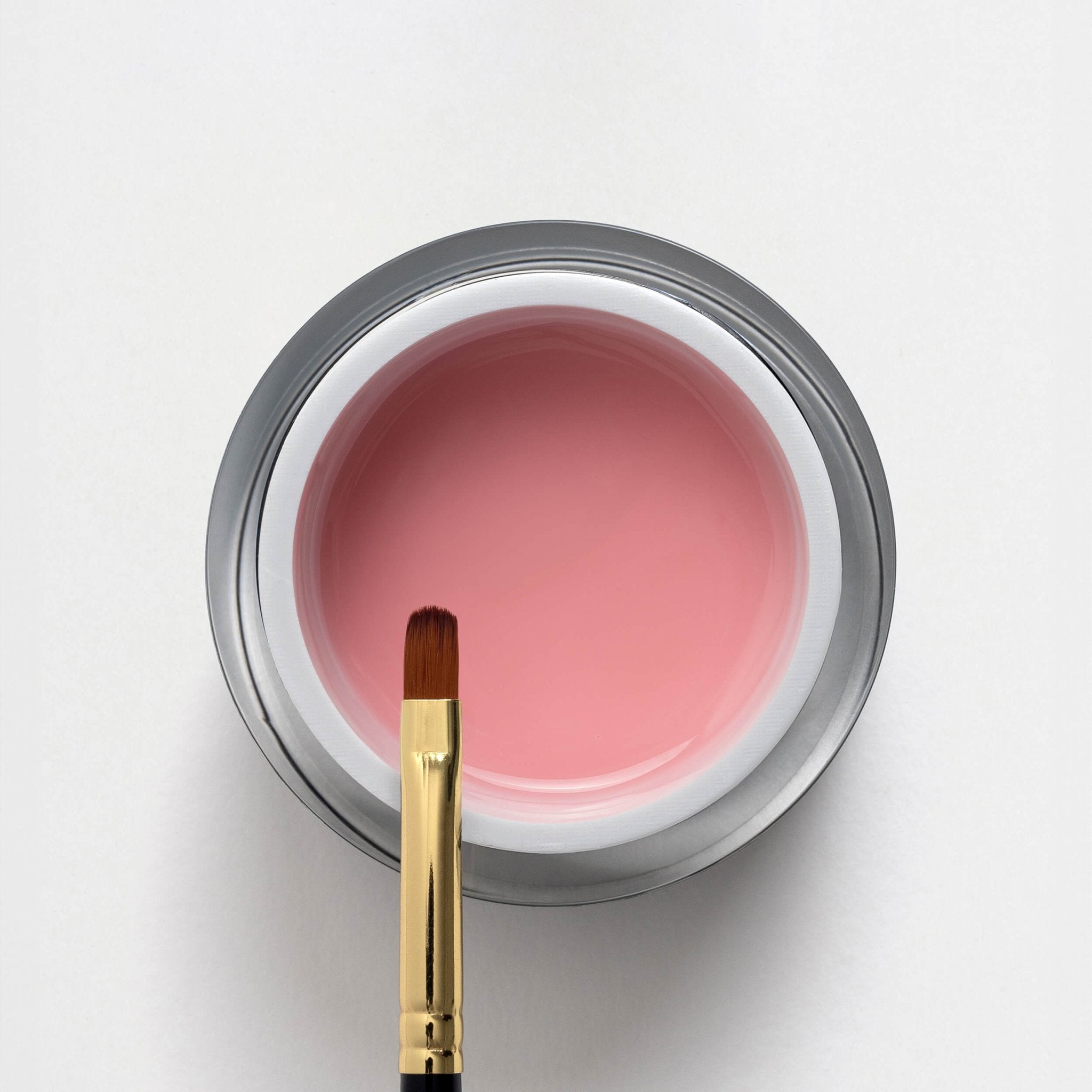

Hard Cactus Base Cream 50g
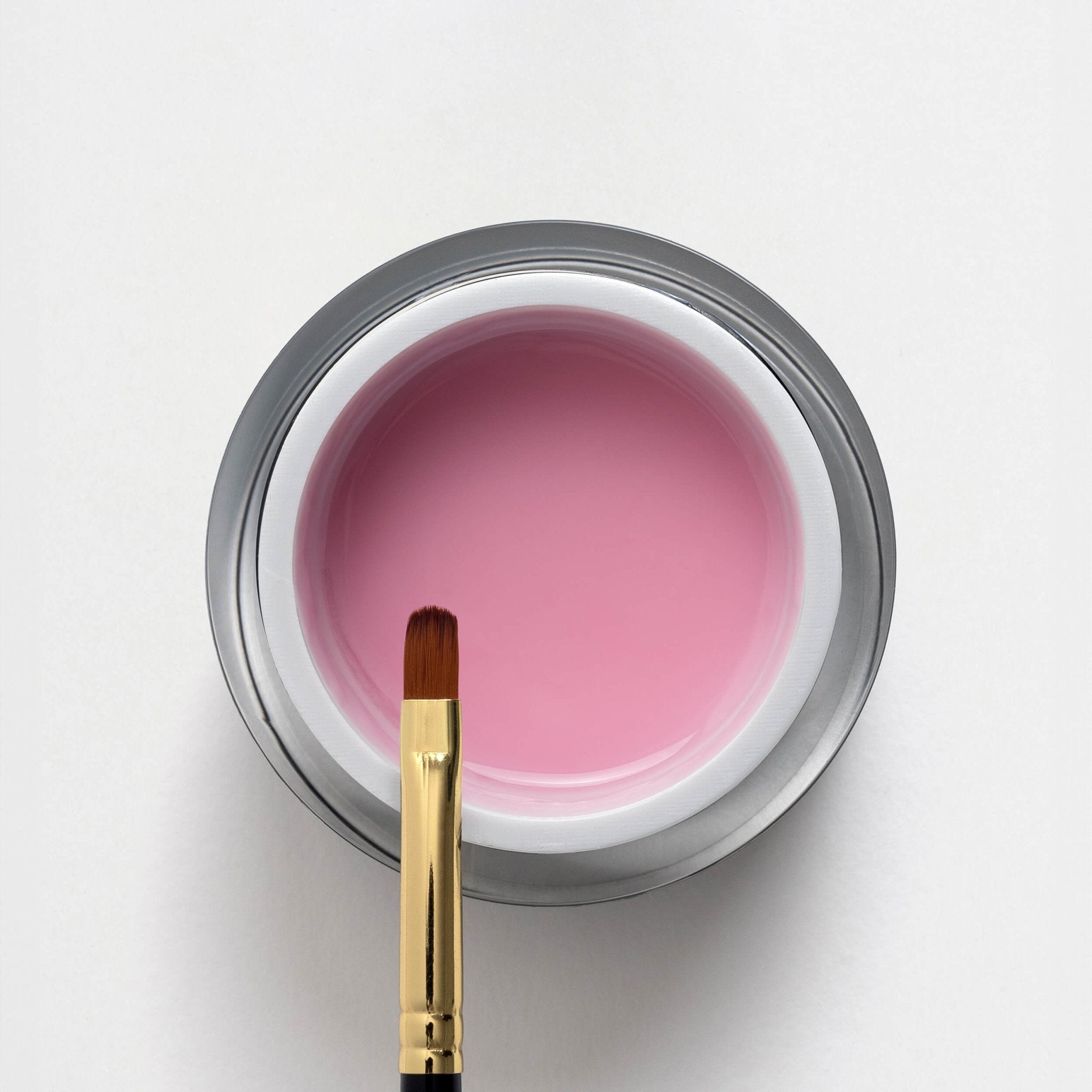

Hard Cactus Base Ivory 50g
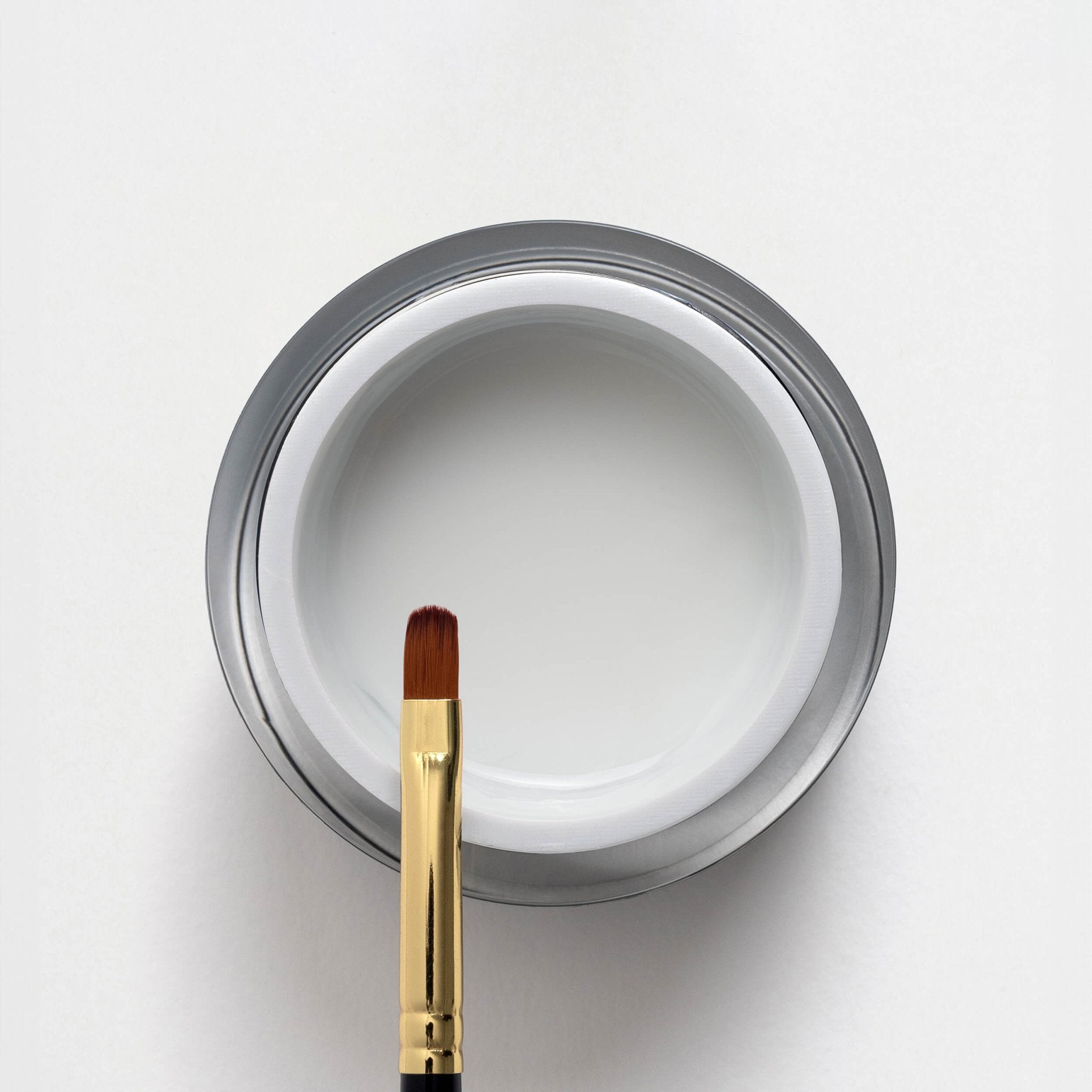

Hard Base Cactus Latte 50 g

Hard Base Cactus Skin 15ml
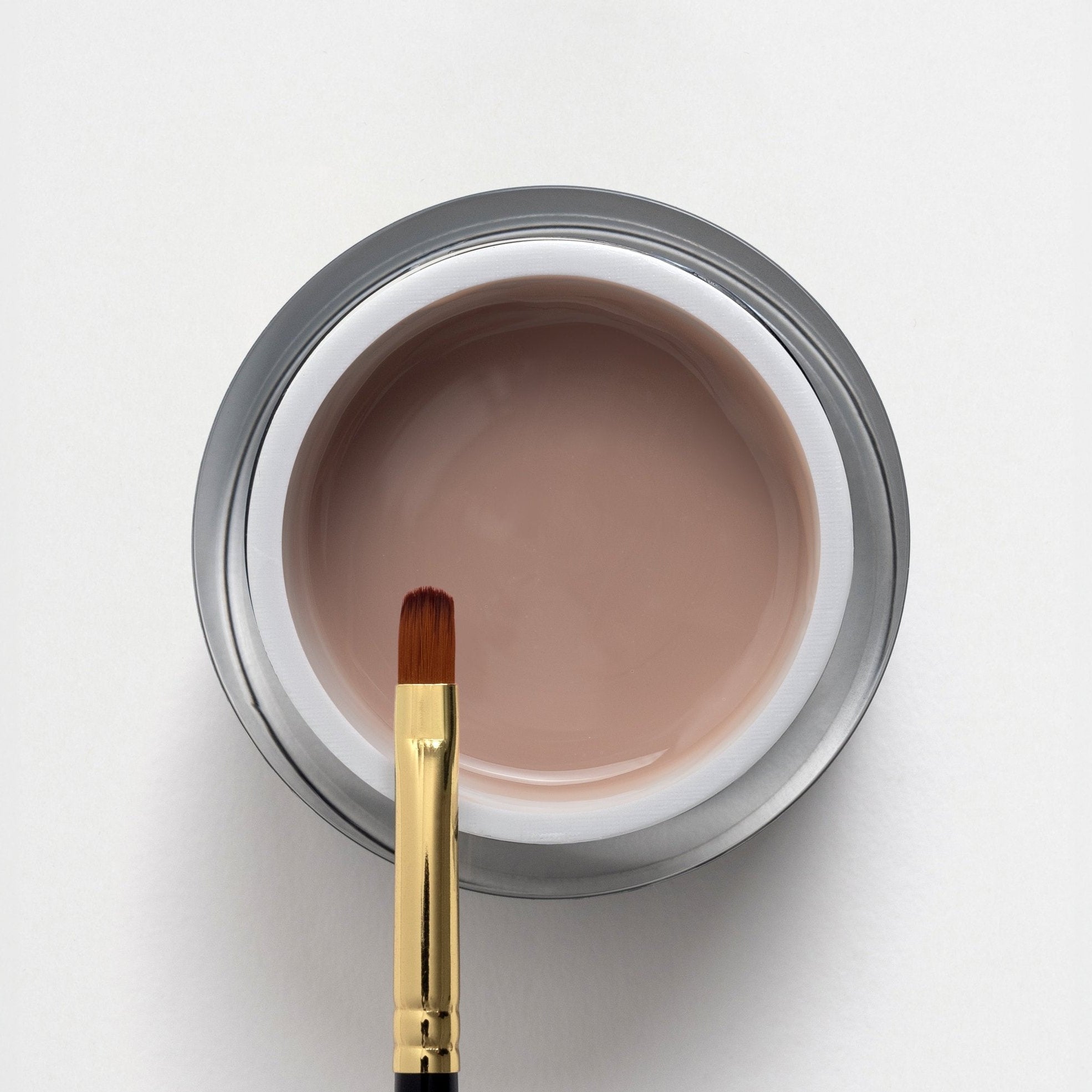

Hard Base Cactus Skin 50g

Hard Base Cactus Toffy 15ml

Rubber Base Nude 15ml


Fiber Base Cipria with Vitamins


Fiber Base Clear with Vitamins

Fiber Base Confetto with Vitamins


Fiber Base Delicate with Vitamins

Fiber Base Milky with Vitamins

Fiber Base Natural with Vitamins

Fiber Base Snow 15ml

Fiber Base Soft with Vitamins


Strong Base Abricot


Strong Base Blossom

Strong Base Champagne

Strong Base Clear

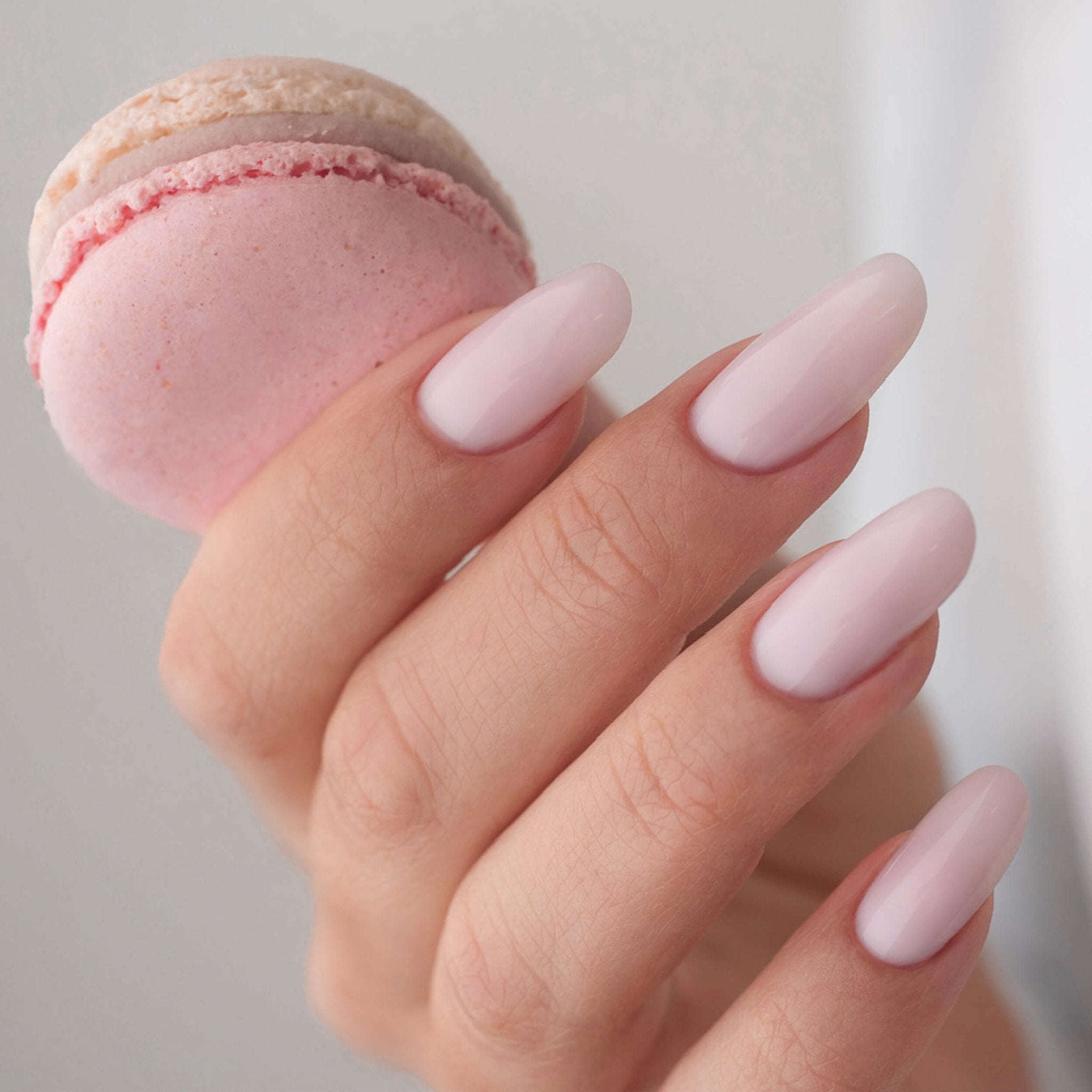
Strong Base Fraise

Strong Base French

Enter the Cactus Business Club
Do you have a shop or are you a nail technician with VAT number?
Revolutionize your business with some benefits dedicated to you. Take advantage of them right away, sign up now.
Frequent questions
What a base it takes for the semi -permanent ?
What a base it takes for the semi -permanent ?
How to remove semi-permanent base?
How to remove semi-permanent base?
What is the purpose of the semi-permanent base?
What is the purpose of the semi-permanent base?
Professional Gel Polish Base Coats
Professional Gel Polish Base Coats
Quick guide: the gel polish base coat is the step that determines adhesion, wear and stability. There is no single base that is right for every client: a nail professional should choose it according to the natural nail plate, nail flexibility, service type and desired result.
How to choose the right gel polish base coat
Before choosing the colour, choose the correct base. A base that is too flexible may not provide enough support for weak nails, while one that is too rigid on a very flexible nail plate can create stress. The base should therefore be selected as part of the complete system: preparation, adhesion, any required reinforcement, colour and top coat.
Cactus base coats: when to use them
To explore a specific range, see our Rubber Bases, Hard Bases, Strong Bases and Fiber Bases.
- Base Step One 15ml: an adhesion base used as the first layer to support the wear of gel polish, builder gel or acrygel. It is easy to apply in a thin layer and is ideal as the first step after nail prep products, where required by the service.
- Base Hard Cactus Clear 15ml: a very rigid base, firmer than a Strong Base. Its gel-like properties make it useful for quick gel infills and reinforcing weak, thin nails. Its thicker consistency helps level the surface without running.
- Base Hard Cactus Latte 15ml, Base Hard Cactus Cream 15ml and Base Hard Cactus Ivory 15ml: coloured hard bases for a more structured overlay with an elegant natural, milky or cover effect.
- Universal Gel Polish Base 15ml: a medium-rigidity base that is neither too flexible nor too rigid. Suitable for many nail types, it has a medium-thick consistency, can help level the nail plate and is applied directly to the natural nail.
- Strong Base Blossom, Strong Base Milky and the other Strong Bases: ideal when you want support, a natural colour and a clean, nude or elegant salon finish.
- Fiber Base Clear with Vitamins, Fiber Base Confetto with Vitamins and the other Fiber Bases: useful when a fibre-reinforced base is needed, especially for nails requiring additional support.
Step One, Base Hard, Universal Base and Strong Base: practical differences
Base Step One is the adhesion layer: thin, easy to apply and designed to support the wear of the full system. Base Hard is more structured and rigid: it behaves more like a gel and is suitable for reinforcement or faster salon infills. Universal Base offers a middle ground with medium rigidity, a medium-thick consistency and good versatility. Strong Base and Fiber Base are technical options for a more reinforcing, natural or corrective result.
When to use a strengthening base
A strengthening base is useful when the nail plate is thin, flexible or tends to lose structure. In these cases, the base should do more than simply help the colour adhere: it should also help stabilise the service. On very weak nails, a hard base or fibre base may be more suitable than a thin base.
Universal Base: take care with nail prep products
Universal Base is designed to provide good adhesion with minimal acidity. It can be applied directly to the nail plate and does not require an acid primer. On weak nails, bonder can be used only on the free edge, from the smile line towards the tip. Avoid acid primer when it is not necessary: preparation should support wear without placing unnecessary stress on the nail plate.
Base coat, colour and top coat: the complete system
For a professional manicure, think of the base coat as the foundation. After the base, apply gel polish in thin coats and seal it with a top coat suited to the required finish: glossy, matte, milky, flakes or no-wipe.
Cure each layer with a UV LED nail lamp compatible with the curing times specified for the base, colour and top coat.
HEMA-free, 7-free and ingredient transparency
Some Cactus bases carry specific claims such as HEMA-free or 7-free where stated on the product page. Always check the individual product page because not every product necessarily carries the same claims. For lines labelled “Bis-HEMA”, Cactus specifies that this is not the HEMA monomer but a polymer with a different molecular structure.
Mistakes to avoid
- Using the same base for every client without assessing the nail plate.
- Using an overly rigid base on a very flexible nail without evaluating the case.
- Applying too much product close to the cuticle area.
- Failing to prepare the nail plate correctly before application.
- Using an acid primer when the product does not require it.
- Not following the curing times specified for the product.
FAQ
Do you always need a base coat before gel polish?
Yes. The base supports adhesion, wear and protection of the natural nail plate. It is one of the most important steps in preventing lifting and loss of wear.
What is the difference between Base Step One and Base Hard?
Base Step One is an adhesion base applied as the first layer. Base Hard is much more rigid and gel-like, and can be used for reinforcement, quick infills and weak or thin nails.
When should I choose Universal Base?
Universal Base is suitable when you want a versatile, medium-rigidity base with a medium-thick consistency and good nail-levelling properties.
When should I use a Fiber Base?
Fiber Base is useful when extra support is needed, especially on nails requiring reinforcement. The fibres provide more structure than a classic base coat.
Can coloured bases replace colour?
For many services, yes. Milky, nude and cover bases can create a natural effect, clean nails, baby boomer styles or an elegant salon manicure.
Can acid primer be used with every base?
No. It should be used only when required by the technique and product. Universal Base, for example, does not require acid primer and should not be paired with Primer Acid.