Mini Disposable 180-Grit Nail Files – Pack of 50

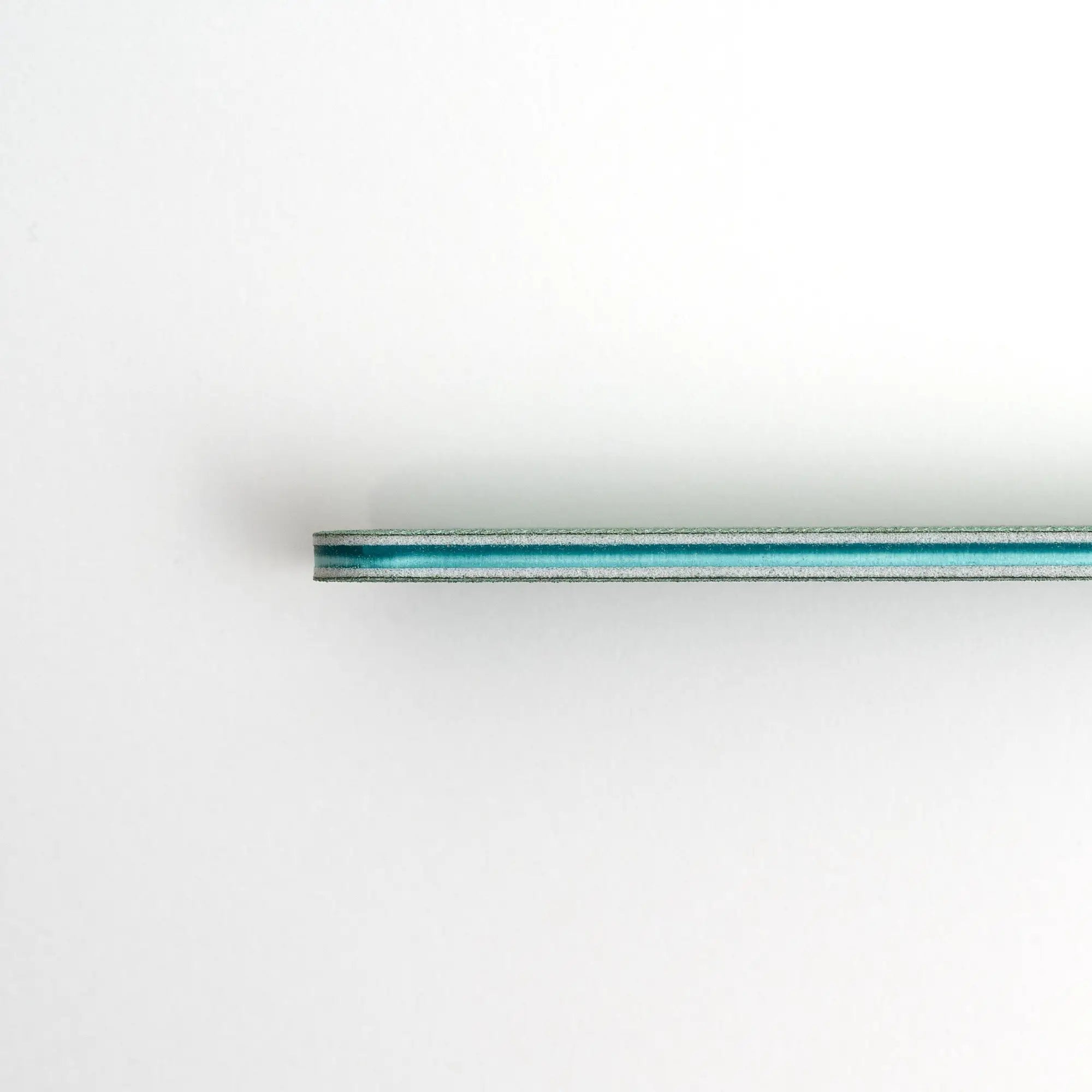
Disposable 240/180 Nail Files – Pack of 20

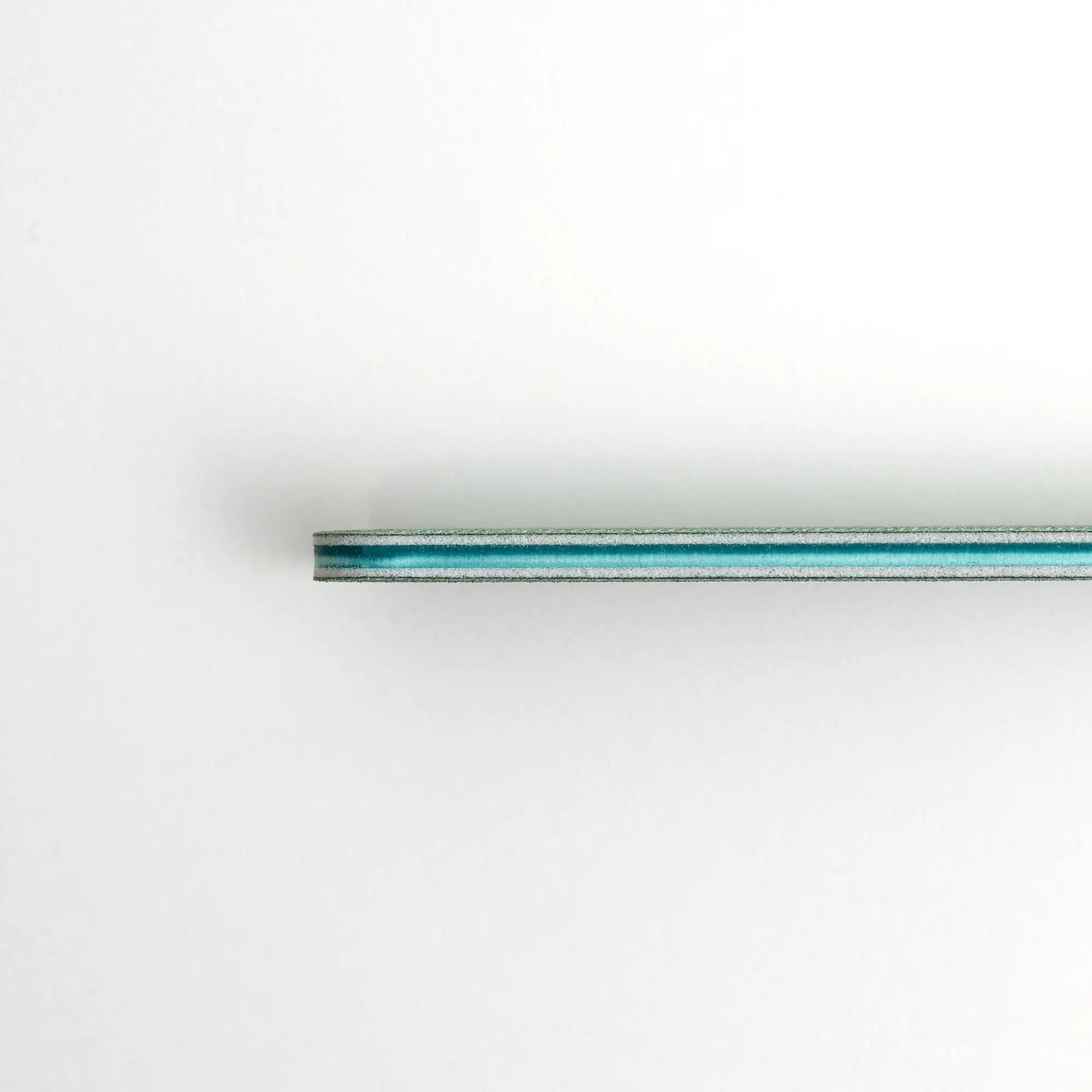
Disposable 150/180 Nail Files – Pack of 20

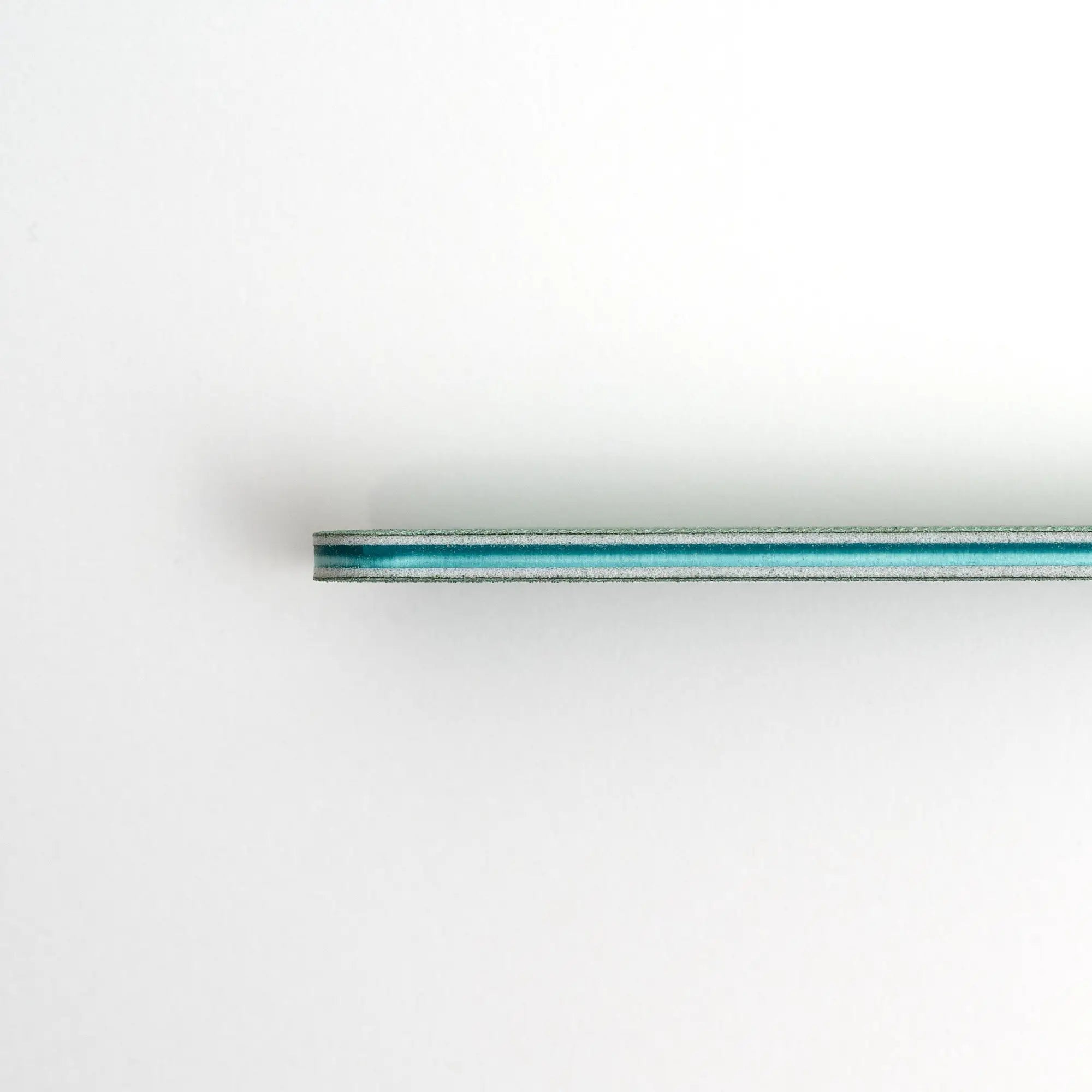
Disposable 120/180 Nail Files – Pack of 20


Disposable Straight 150/180 Nail Files – Pack of 20

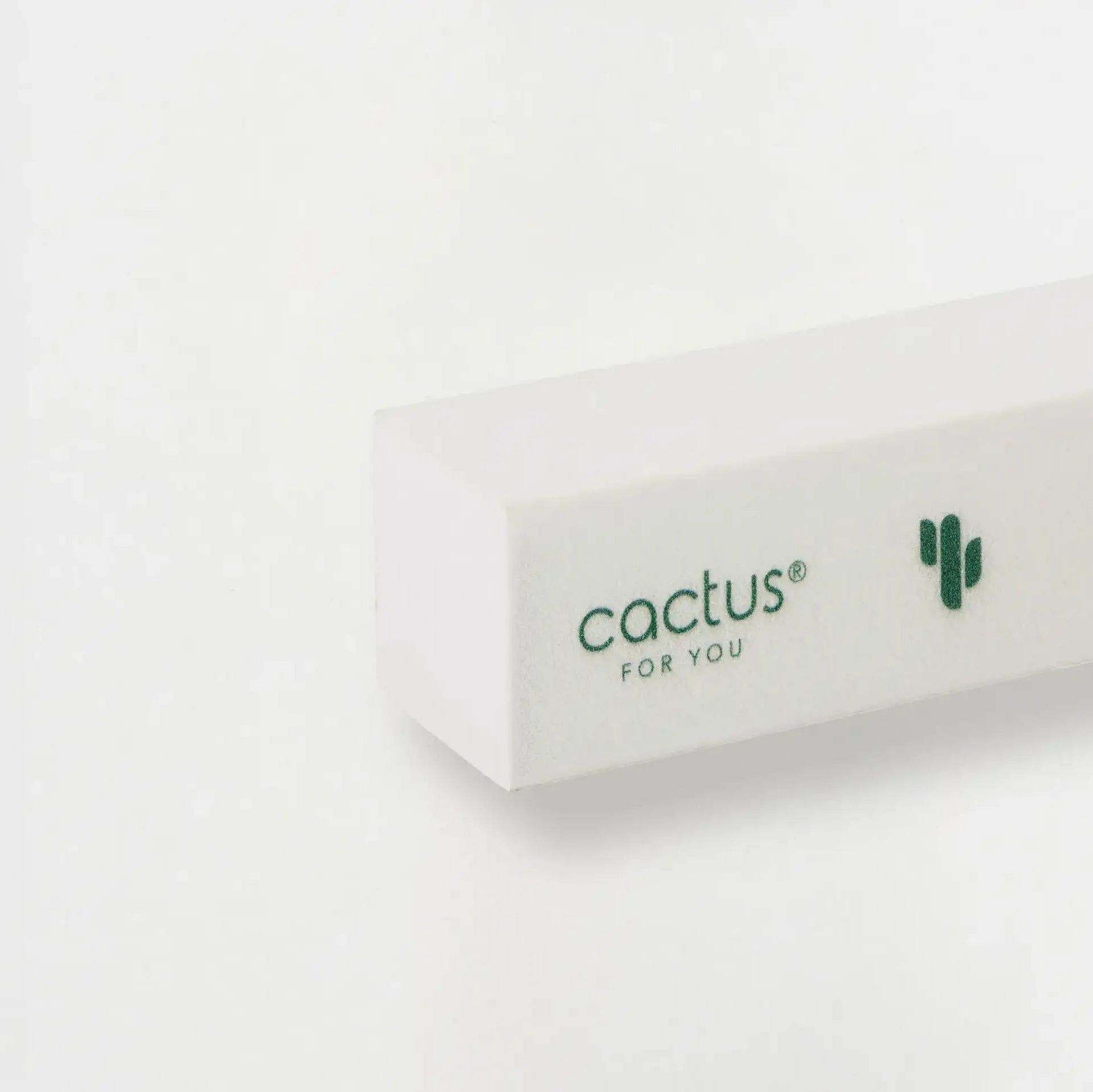
Disposable 120-Grit Nail Buffers – Pack of 10

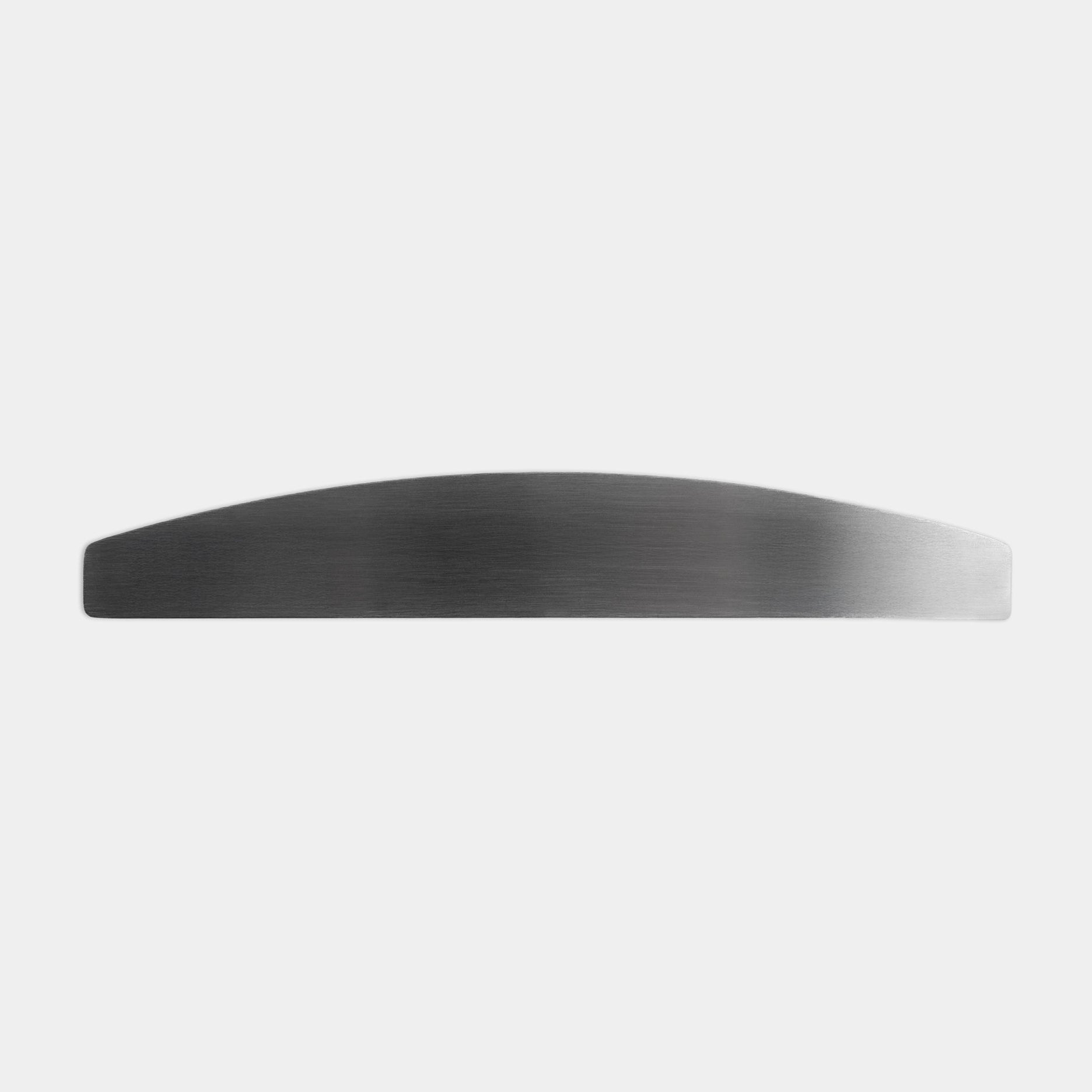
Crescent-Moon Metal File Base

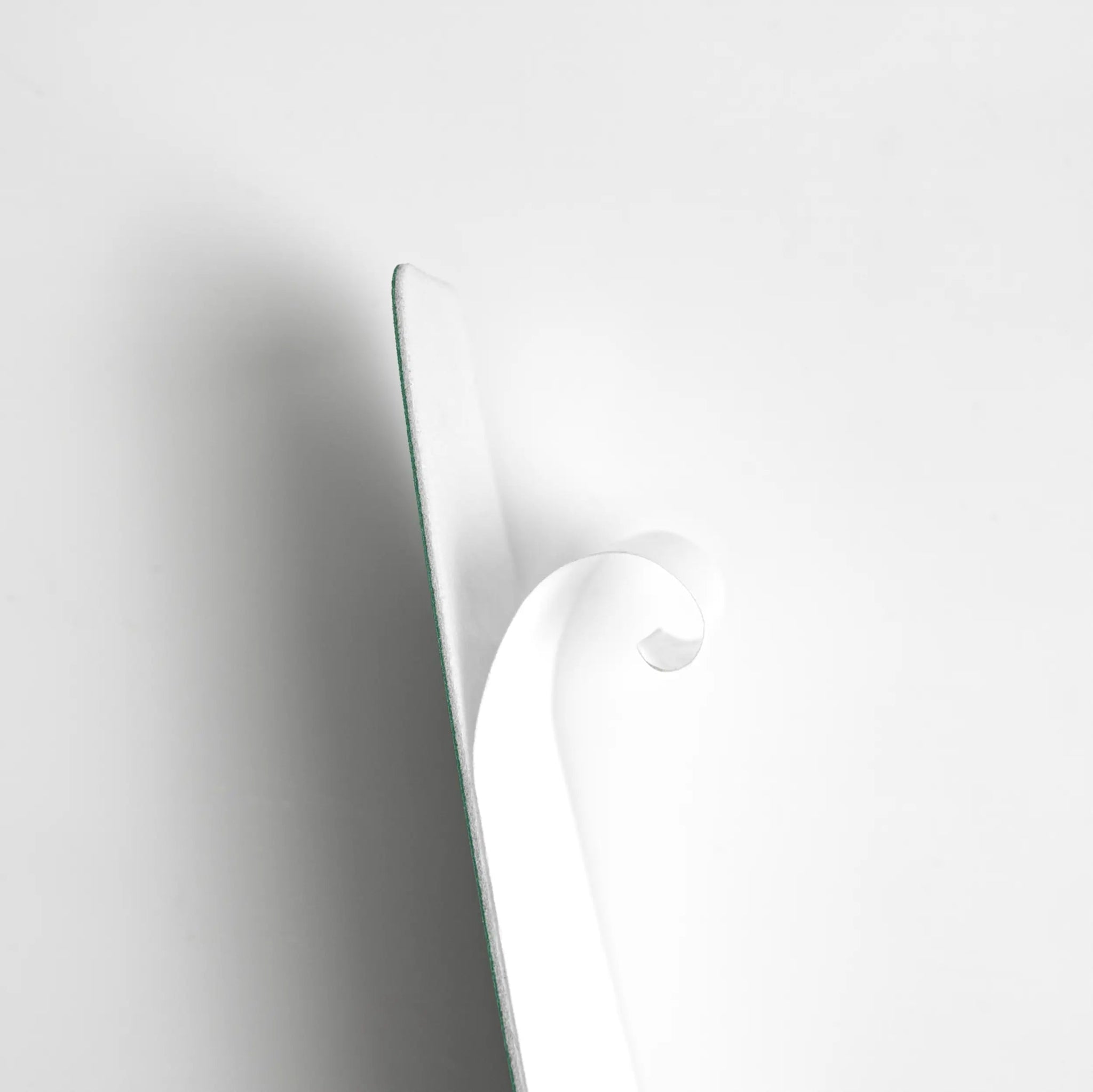
Lima straight sticker spare parts 180 grit
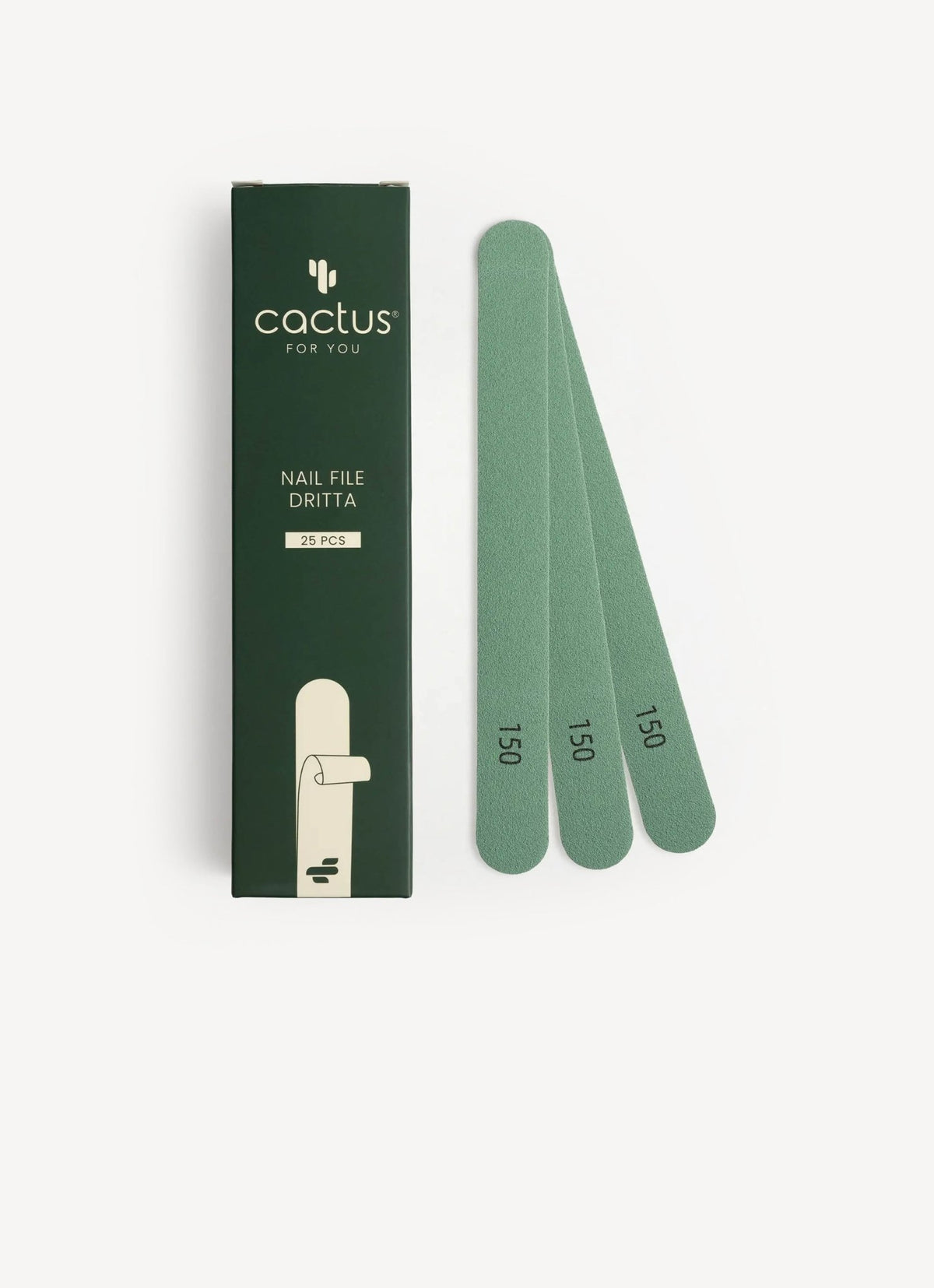
Adhesive spare parts Straight File 150 grit

Adhesive spare parts Lima Mezzaluna 240 grit

Lima Mezzaluna 180 Grit Sticker Spare parts

Adhesive spare parts Lima Mezzaluna 150 grit

Adhesive spare parts Lima Mezzaluna 120 grit

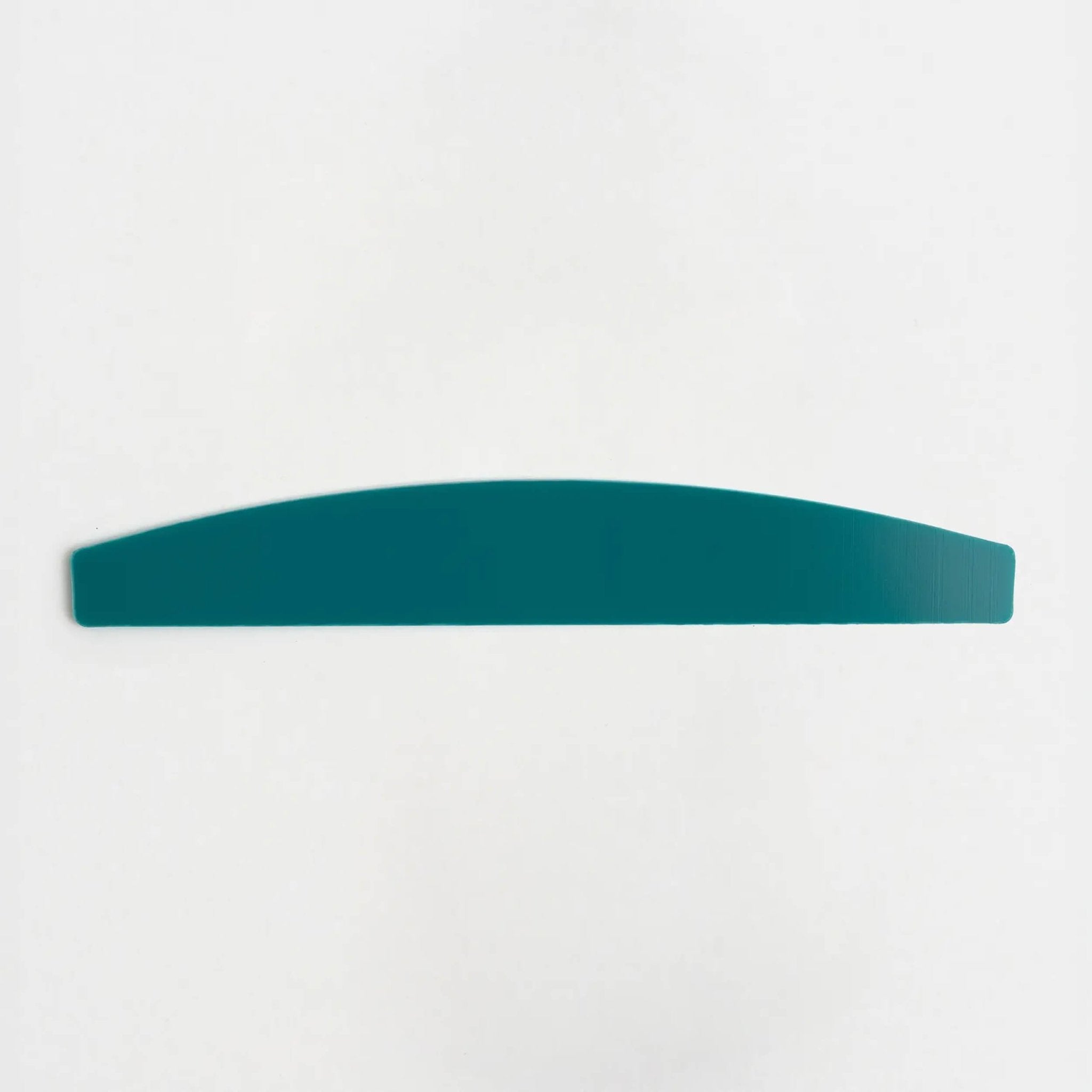
Plastic File Base


Straight Metal Base File
Buffer Disposable 120 - Unit
Mini Disposable 180-Grit Nail File – Single
Disposable Straight Nail File 150/180 – Single Unit
Disposable Nail File 240/180 – Single Unit
Disposable 150/180 Nail File – Single
Disposable Nail File 120/180 – Single Unit


Refill discs for PODODISC size XS - 80 grit (50 pieces)


Refill discs for PODODISC size XS - 320 grit (50 pieces)

Refill discs for PODODISC size XS - 180 grit (50 pieces)


PODODISC XS refill discs - 100 grit


Refill discs for PODODISC size S - 80 grit (50 pieces)


Refill discs for PODODISC size S - 320 grit (50 pieces)


Refill discs for PODODISC size S - 240 grit (50 pieces)


Refill discs for PODODISC size S - 180 grit (50 pieces)


Pododisc s charging discs - 100 GRIT


Refill discs for PODODISC size M - 80 grit (50 pieces)


Refill discs for PODODISC size M - 320 grit (50 pieces)

Join the Cactus Business Club
Do you own a shop or work as a nail technician with a VAT number?
Transform your business with benefits designed for you. Sign up now to start enjoying them.
Frequently Asked Questions
Which lime to choose ?
Which lime to choose ?
How to clean lime and buffer after use ?
How to clean lime and buffer after use ?
How often should I replace files and buffers?
How often should I replace files and buffers?
Nail Files and Buffers
Nail Files and Buffers
Quick answer: nail files and buffers should be chosen according to the grit and the surface being worked on. A lower grit number indicates a more abrasive surface; a higher number indicates a finer grit. On the natural nail, use suitable grits and controlled pressure.
How to choose nail file grit
- 80–100 grit: very abrasive grits intended for specific professional uses on resistant artificial materials or on PodoDisc refills designed for the indicated treatment. Do not use on the natural nail plate.
- 120–150 grit: used to shorten or shape artificial structures, depending on the material and technique.
- 180 grit: suitable for finishing and more controlled work. On the natural nail, use it only when required by the protocol and without applying excessive pressure.
- 240–320 grit: finer grits, useful for gentle smoothing and controlled preparation according to the specific intended use of the product.
Types of nail files and buffers
- Disposable nail files: available in different shapes and grits and must be discarded after use on a client.
- File bases with adhesive refills: allow a disposable abrasive refill to be applied to a compatible reusable base.
- Buffers: used to mattify or even out the surface with controlled movements.
- PodoDisc refills: abrasive discs in different sizes and grits for professional pedicure procedures.
How to use a nail file correctly
- Identify the surface you need to work on: natural nail, gel, acrygel or another material.
- Choose the grit suited to the stage of the treatment.
- Work with controlled movements without generating excessive heat or pressure.
- Frequently check the shape, thickness and evenness of the surface.
- Remove dust before moving on to the next step.
- Discard disposable files and refills after use.
Nail file and buffer: what is the difference?
A nail file is mainly used to shorten, shape and finish. A buffer is designed to mattify or even out the surface in a more controlled way. The actual function still depends on the grit of the individual tool.
Hygiene for file bases and refills
- Discard files and refills marked as disposable after each client.
- Completely remove the abrasive refill from the reusable base.
- Clean and process the bases according to the material and the manufacturer's instructions.
- Do not use sterilisation procedures on materials that are not compatible with them.
- Store new bases and refills in a clean, dry environment.
Mistakes to avoid
- Using a grit that is too abrasive on the natural nail.
- Applying excessive pressure while filing.
- Reusing disposable files or abrasives.
- Confusing a lower grit number with a gentler grit.
- Working for too long in the same area and generating heat.
- Using a damaged or deformed file base.
Nail files and buffers FAQ
What does the grit number mean?
It indicates the level of abrasiveness. A lower number corresponds to a more aggressive surface; a higher number corresponds to a finer grit.
Which grit should I use on the natural nail?
Choose a fine grit that is compatible with the procedure and apply minimal pressure. Very abrasive grits must not be used on the natural nail plate.
Can disposable nail files be disinfected and reused?
No. Files and refills marked as disposable must be discarded after each client.
Can file bases be sterilised?
It depends on the material and the manufacturer's instructions. Metal and plastic bases may require different procedures.