Inspired by Women
They challenged their times, broke conventions and changed history.
Marie, Jane, Diana, Frida and Artemisia.
5 extraordinary women become colour.


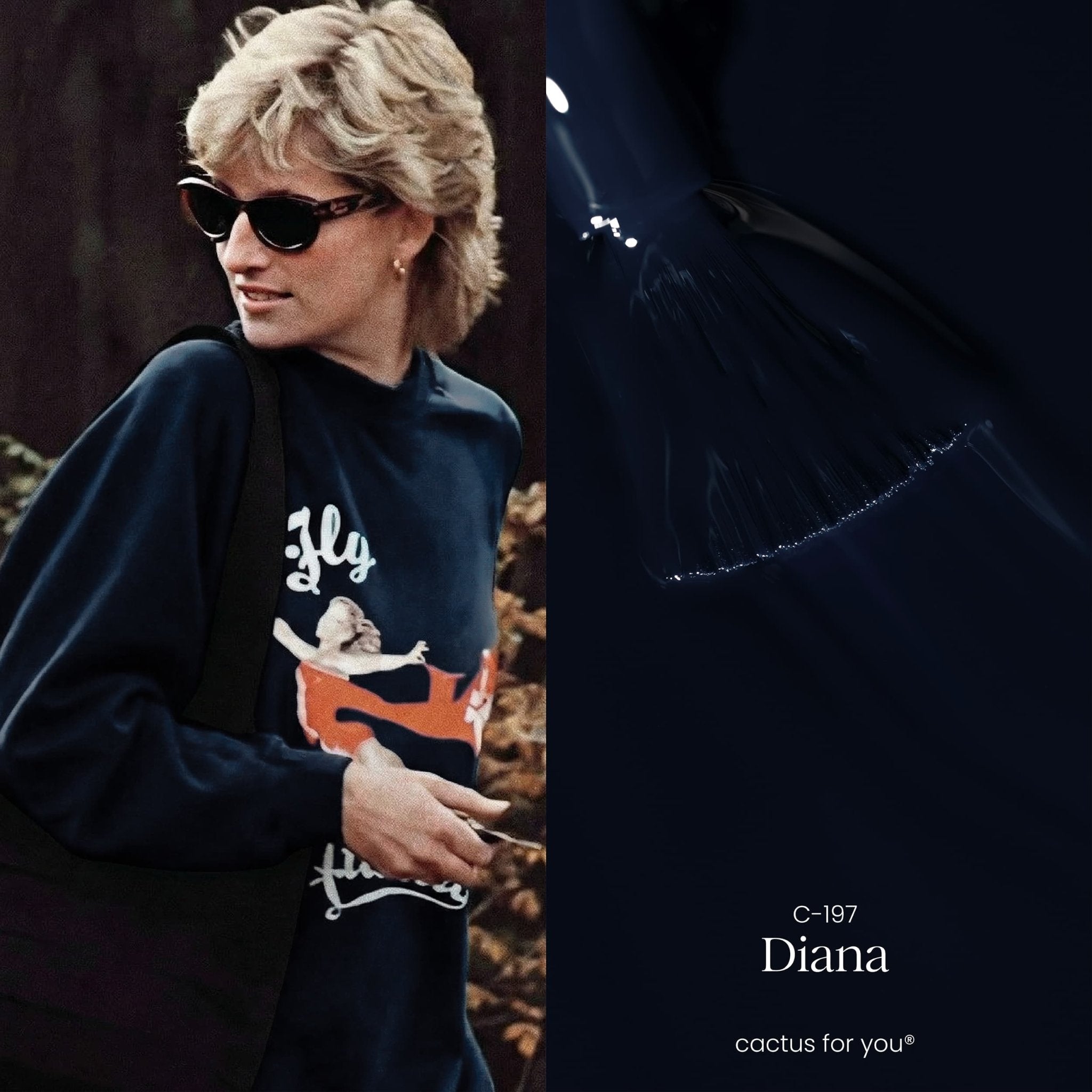
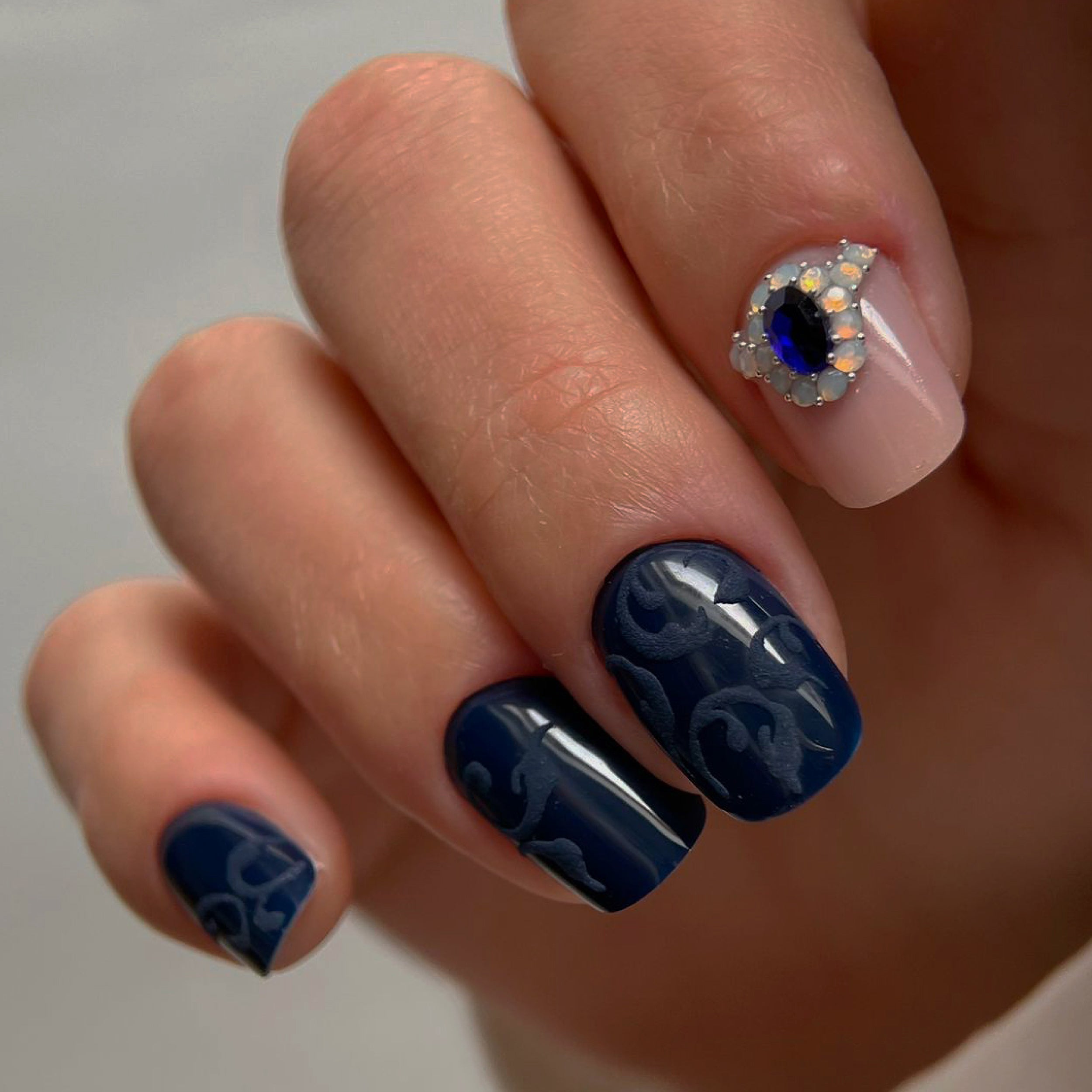
Diana C197 Gel Polish

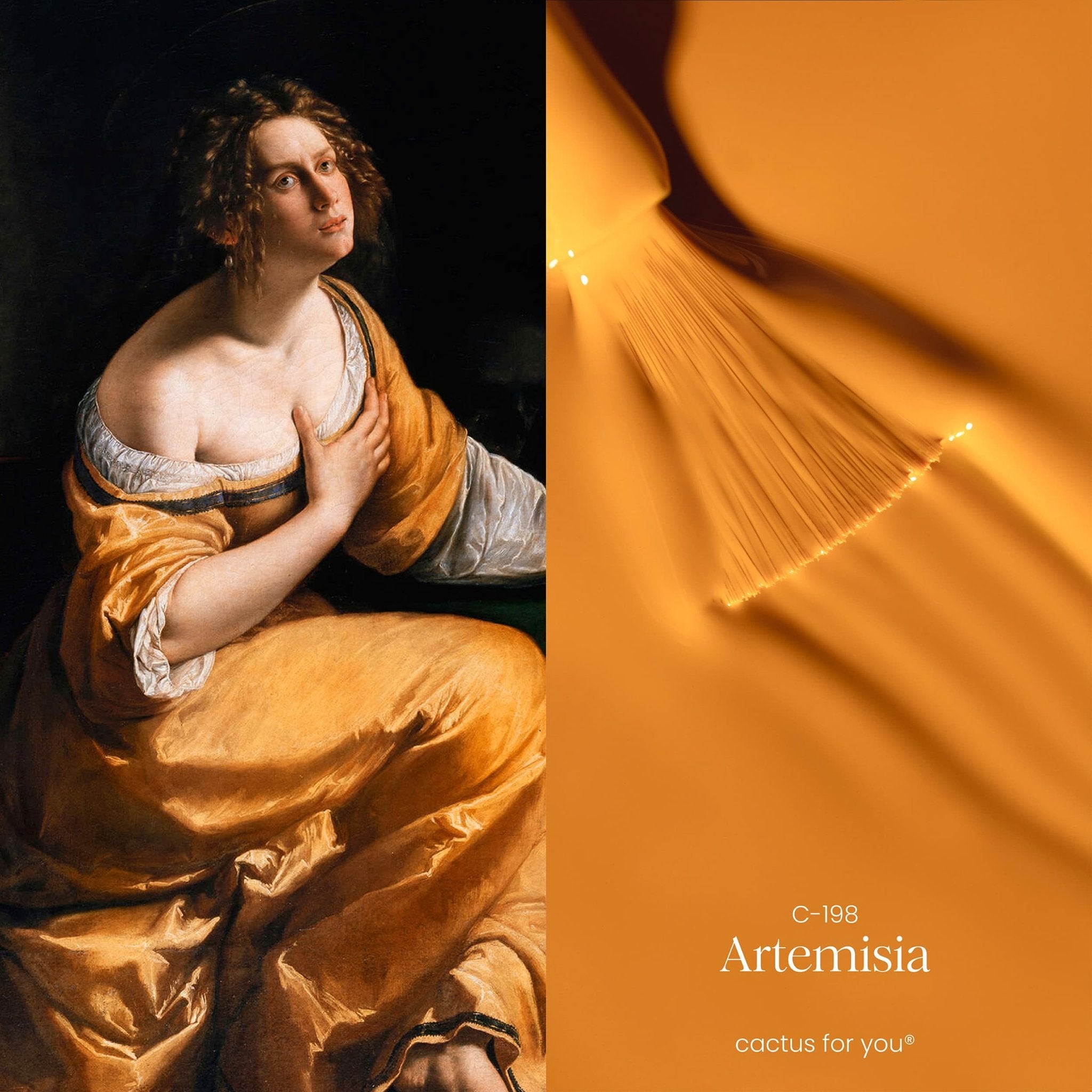
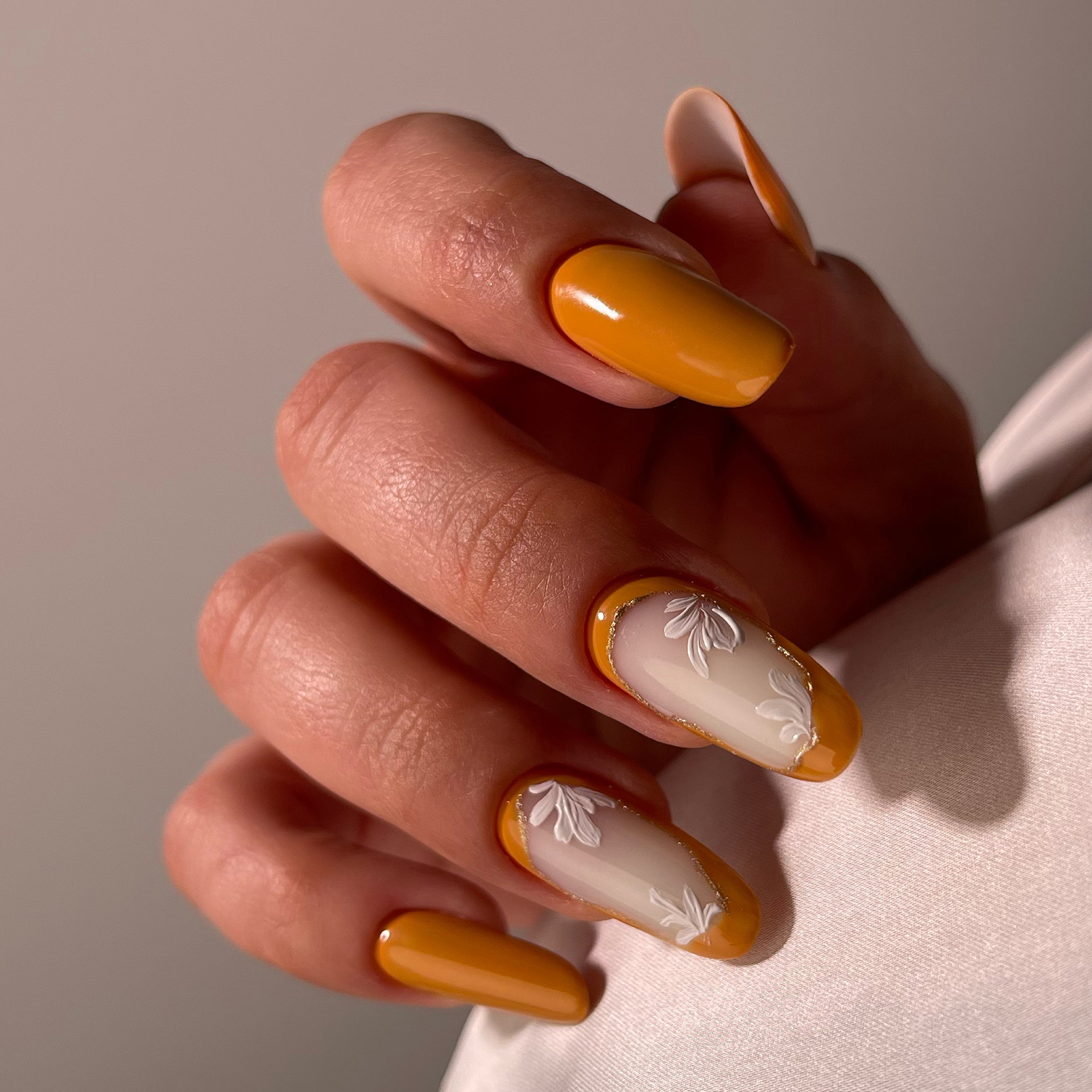
Artemisia C198 Gel Polish

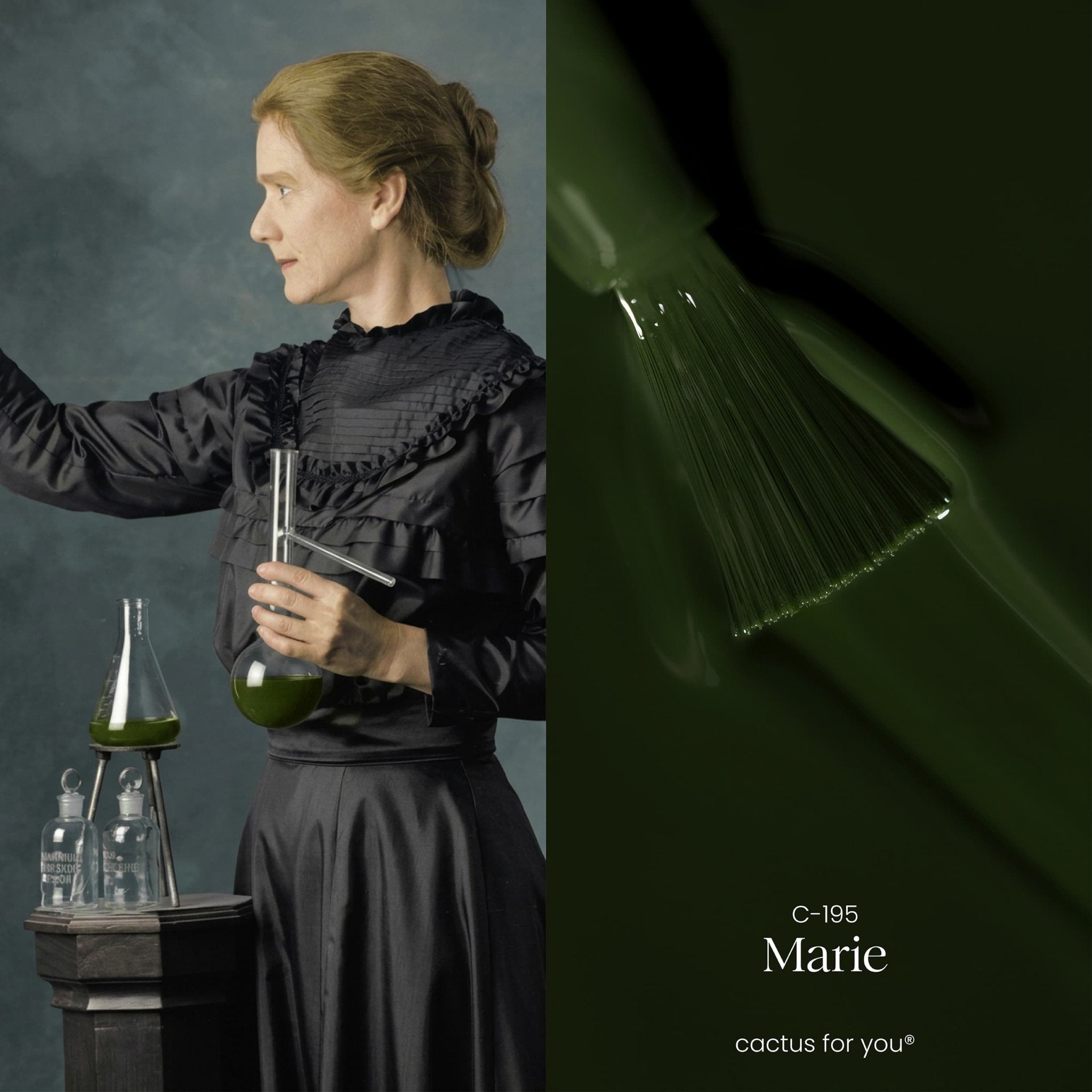
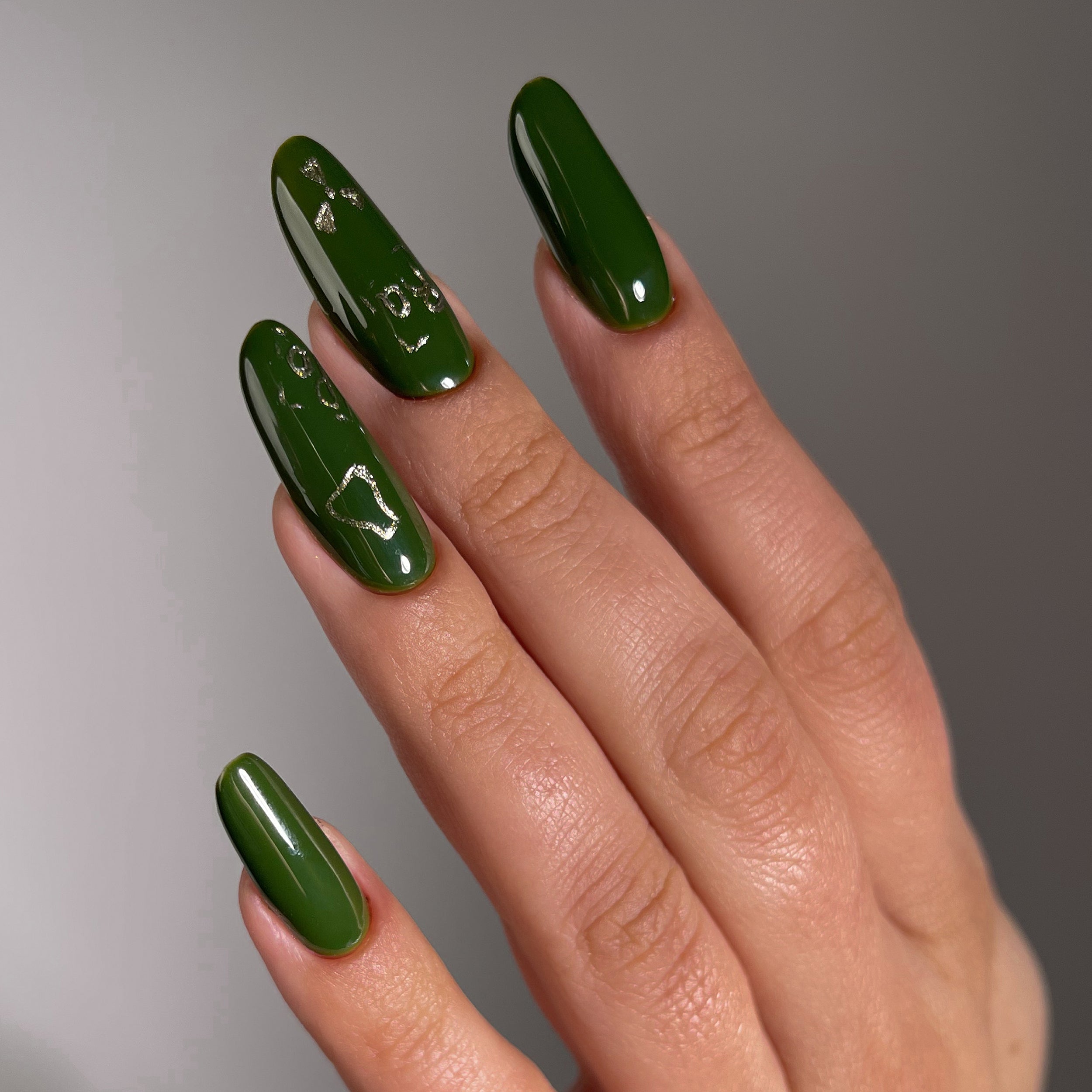
Marie C195 Gel Polish

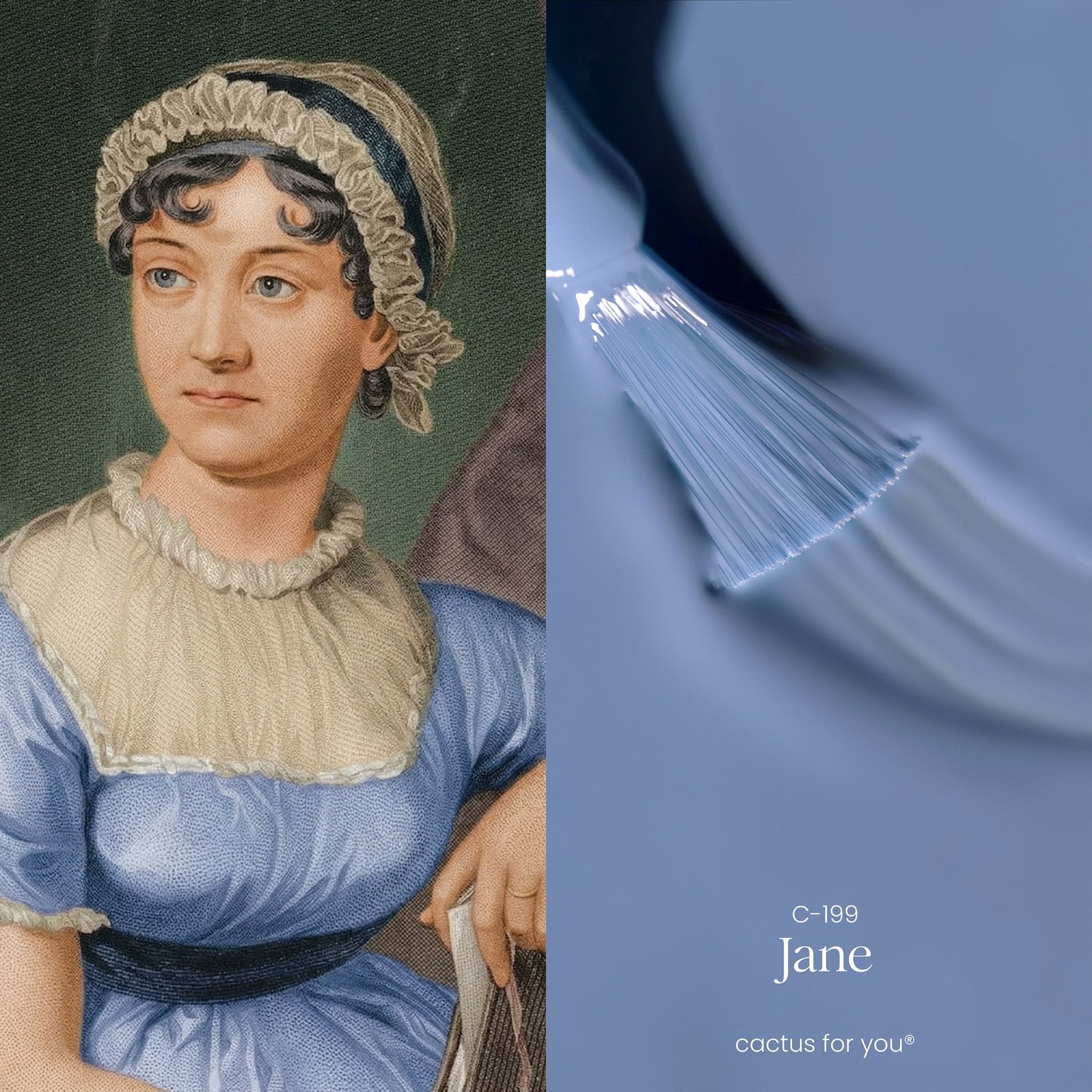
Jane C199 Gel Polish

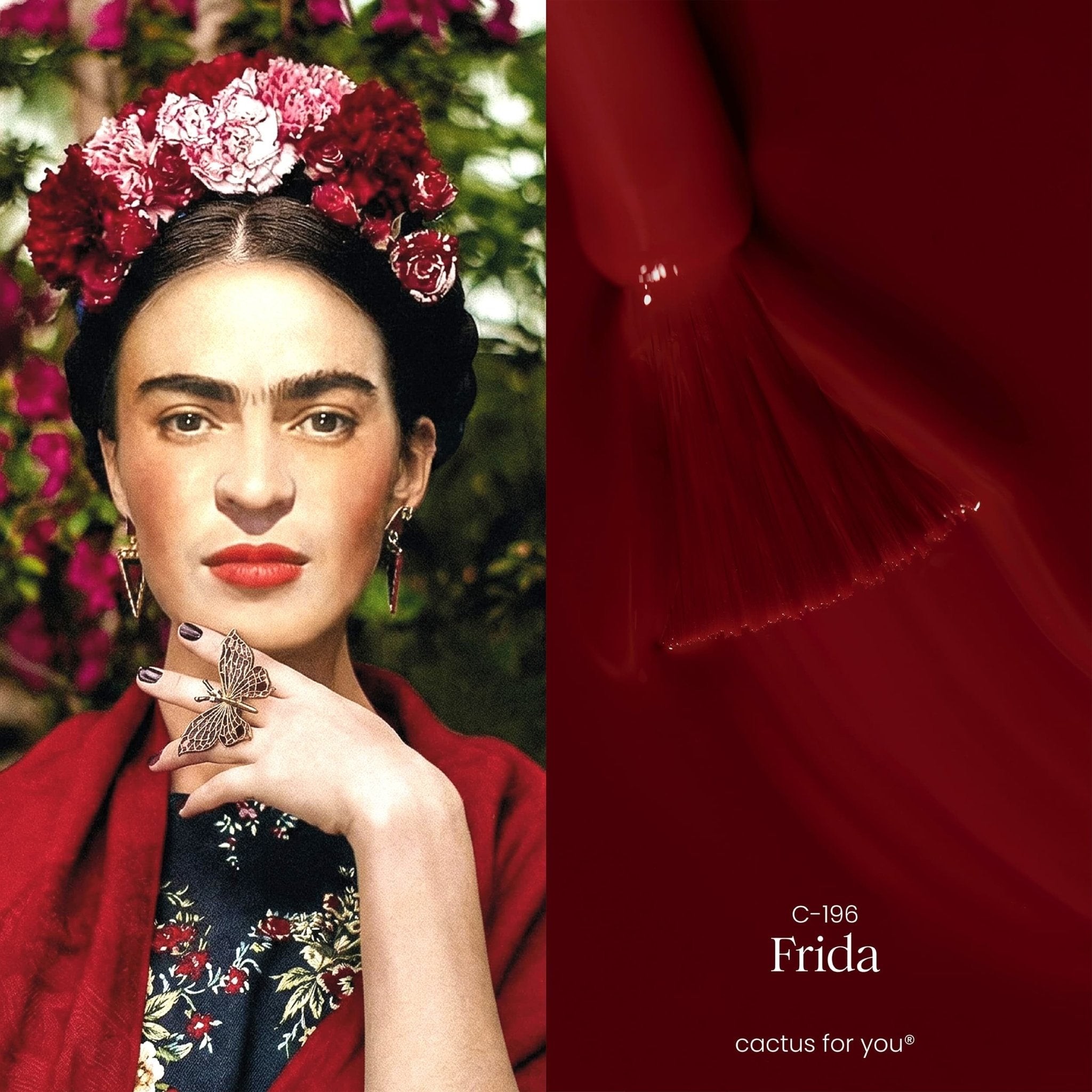
Frida C196 Gel Polish
Frida Kahlo
A serious accident changes her life and leaves her unable to move. This is when she begins painting, finding a way to express all her pain through colour. Her work features in several exhibitions, although she is often overshadowed by her husband because she is a woman. After her death, her paintings, in which she reveals scars, vulnerability and identity, are rediscovered.
Frida is not afraid to be authentic in a world that would rather see her more restrained.


Diana Spencer
She becomes Princess of Wales at just twenty. It sounds like a fairy tale, but her life is shaped by demands, pressure and loneliness. So she chooses to turn her suffering into a commitment to others, dedicating herself to volunteering and raising her children. She breaks the silence around subjects that had been taboo for the Crown. Her sensitivity redefines the idea of a modern monarchy. Close to the community, she becomes the people's princess.
Diana makes sensitivity a strength and chooses kindness as a form of courage.

Jane Austen
Jane is born in late eighteenth-century England, where women are destined for marriage, but she wants to write. She publishes under the simple byline “By a Lady”, and her novels tell the stories of brilliant women forced to depend financially on men. Only after her death does her brother Henry reveal her identity to the public. Today, her novels are among the best-loved classics of world literature.
Jane observes with intelligence and speaks with elegance. She knows that her character comes from her intellect.


Artemisia Gentileschi
She dreams of becoming a painter, but in the 1600s women are not allowed to do so. She secretly learns to paint in her father's workshop. In a world dominated by men, she paints strong, courageous women. She is the first woman admitted to Florence's Accademia delle Arti del Disegno. For centuries, many of her works are attributed to male painters. Only today do critics recognise her as one of the leading figures of the Italian Baroque.
Artemisia defends her voice and believes in her art, even when the world tries to silence her.

Marie Curie
A society that denies women access to university, and a laboratory dominated by men. Marie pursues her studies out of the spotlight. She goes on to discover radium and polonium, revolutionising science and becoming the first woman to win a Nobel Prize and, above all, the only woman to win two in different disciplines: physics and chemistry.
Marie does not ask for space. She sets out to find it with determination in a world that refuses to make room.