Arched Ballerina Dual Forms – 150 pcs
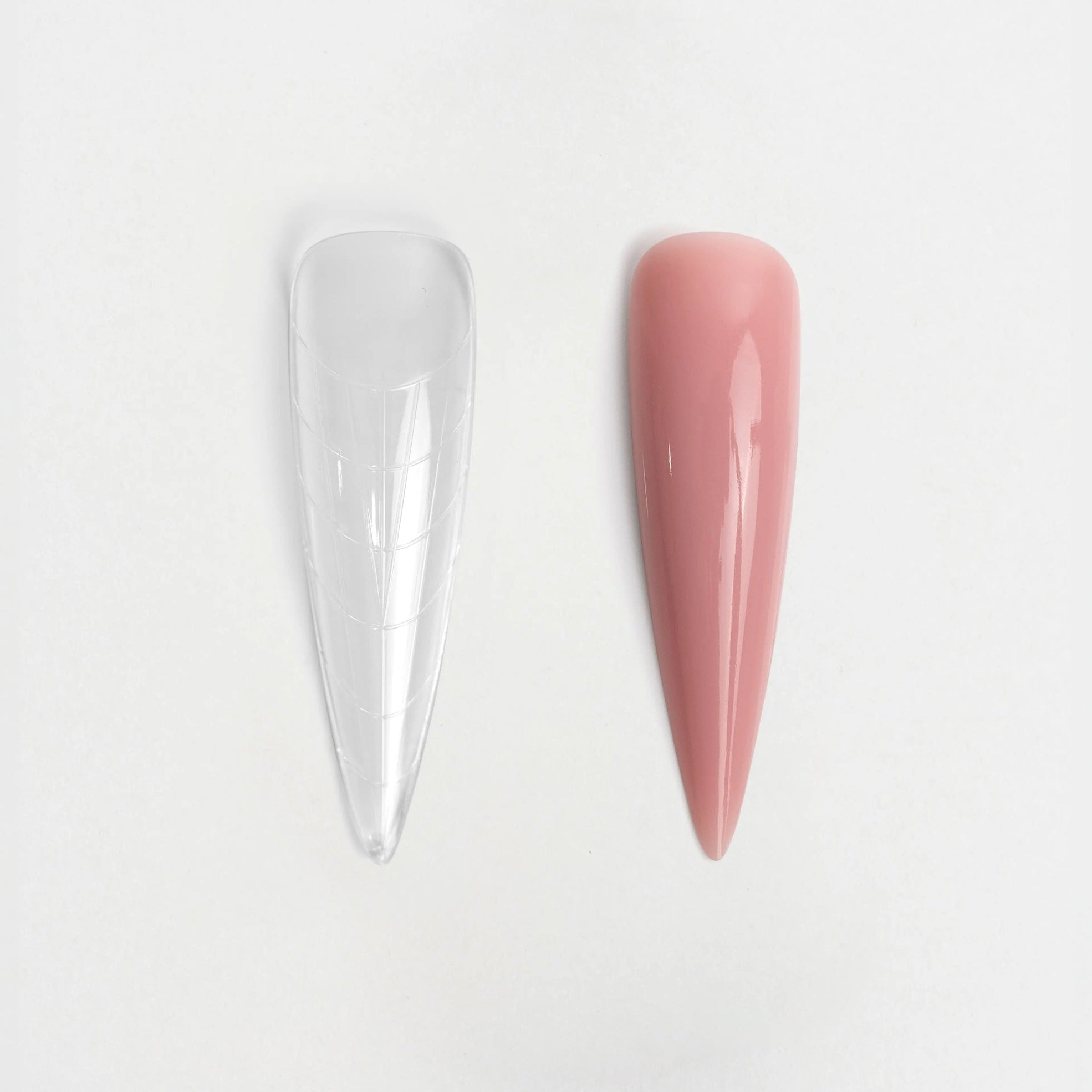
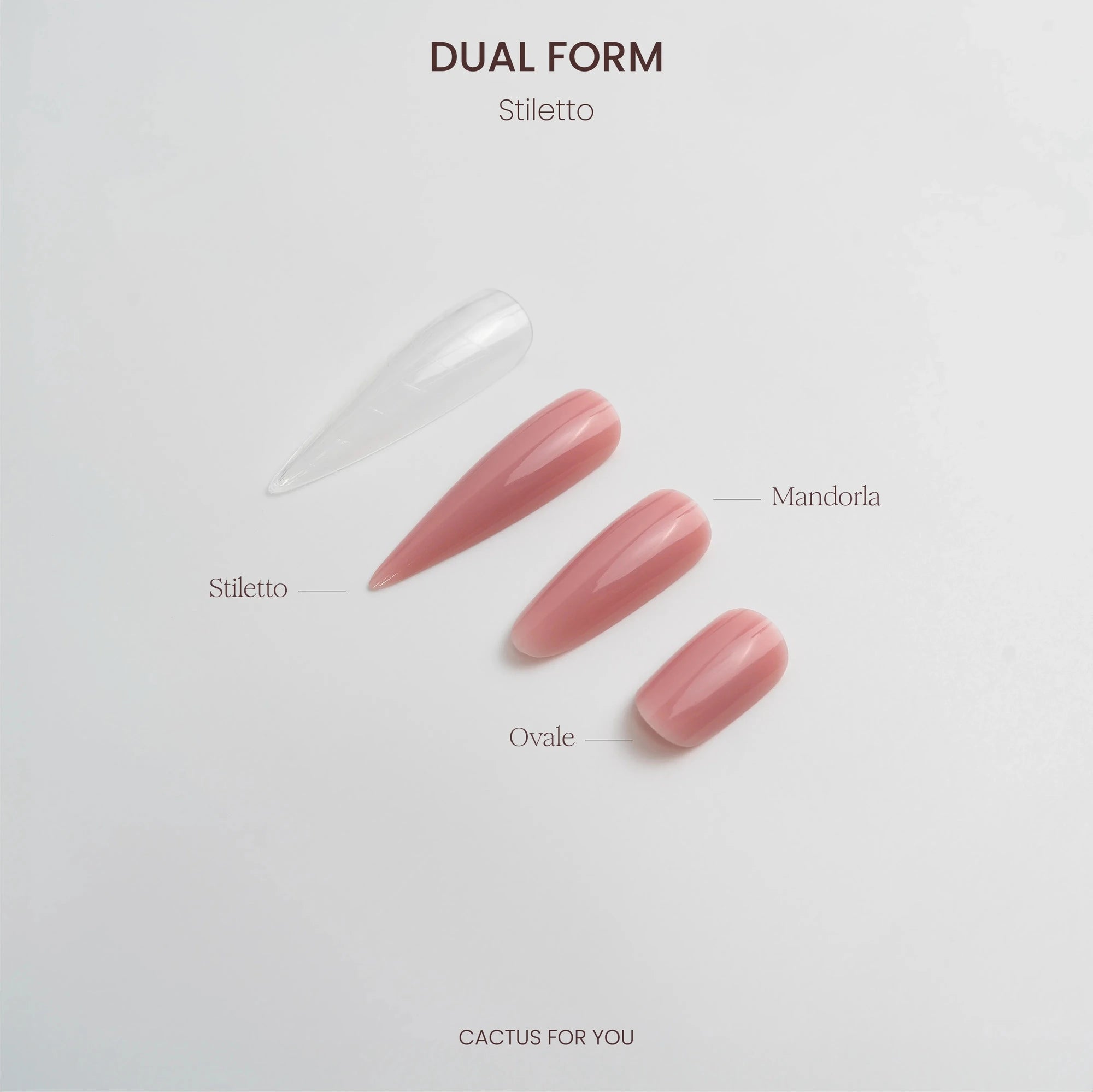
Dual Form Stiletto - 120 pcs
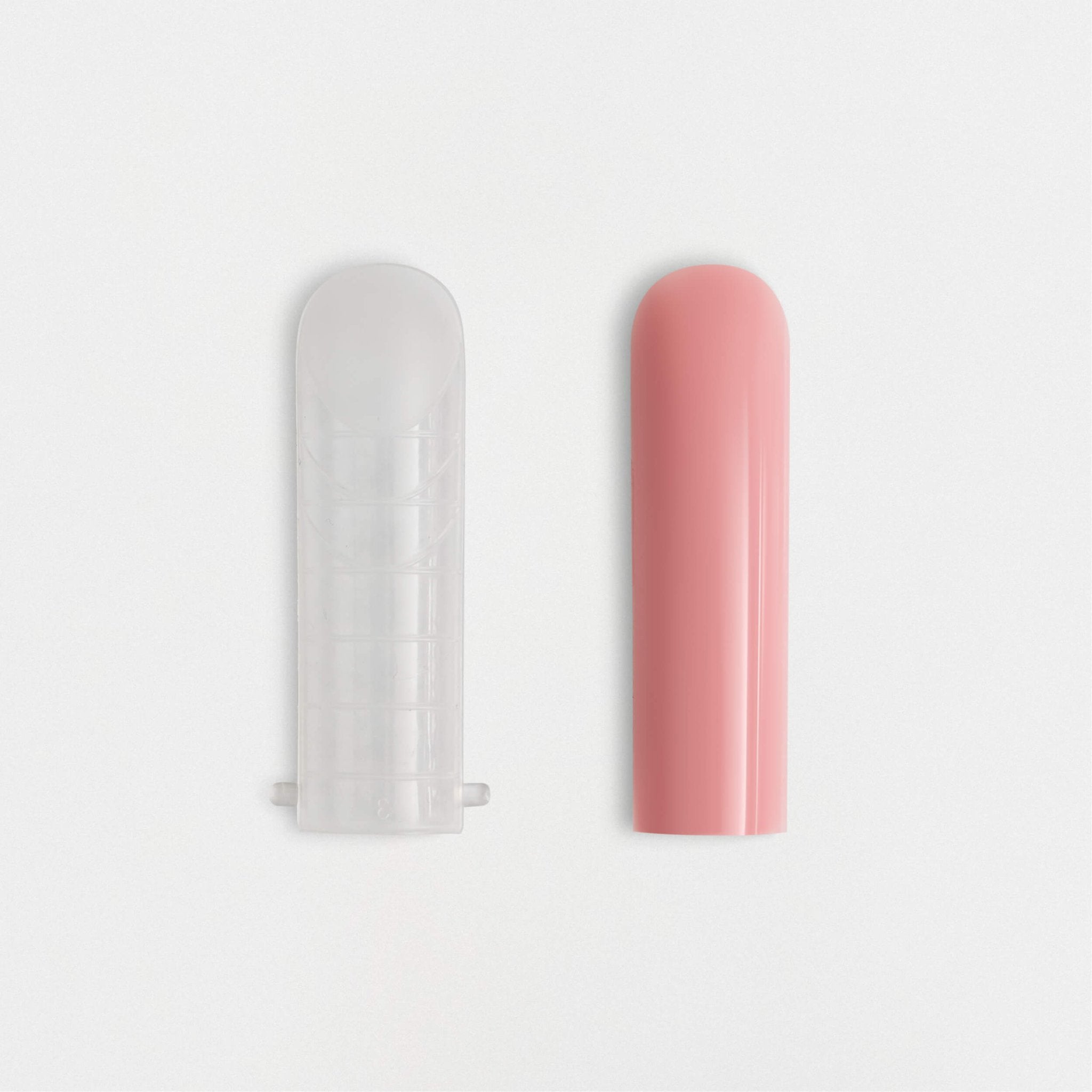

Dual Form Square Slim Technique – 120 pcs


Dual Form Natural dancer - 100 PCS


Dual Form Russian Almond 2 - 120 pcs


Dual Form Natural Square – 120 pcs


Dual Forma Forma Arcuato - 120 PCS


Dual Form Russian Almond 1 - 120 pcs


Smart Form Form 120pcs

Join the Cactus Business Club
Do you own a shop or work as a nail technician with a VAT number?
Transform your business with benefits designed for you. Sign up now to start enjoying them.
Frequently Asked Questions
How to apply the dual form ?
How to apply the dual form ?
How to disconnect the dual form ?
How to disconnect the dual form ?
How the dual form ? dry themselves
How the dual form ? dry themselves
Dual Forms for Nail Extensions
Dual Forms for Nail Extensions
Quick choice: Dual Forms are designed to speed up nail extensions while maintaining control over structure, shape and symmetry. They are useful when you want to work with gel or acrygel inside a guided mould, creating a more uniform and repeatable result than a completely freehand build.
When to choose Dual Forms
Dual Forms are suitable for extensions, structural refills and services where a precise shape needs to be created efficiently. Compared with traditional Nail Forms, they already guide the curve and silhouette of the nail. This makes them practical in salon work when consistent proportions are required across several nails or clients.
When Dual Forms may not be the best choice
If you need to correct a very irregular natural nail, create complex architecture or customise the length and sidewalls extensively, Nail Forms may provide greater technical freedom. Dual Forms work best when the selected mould is compatible with the natural nail and the desired final shape.
Which shape should you choose?
- Arched Ballerina Dual Forms: for tapered, elegant shapes.
- Stiletto Dual Forms: for longer, more dramatic structures.
- Slim Square Dual Forms: for a modern, thin, clean square shape.
- Russian Almond Dual Forms: for more technical, sophisticated silhouettes.
- Russian Almond 2 Dual Forms: an alternative within the same shape family.
How to apply Dual Forms professionally
Preparation is essential. Remove old product where required and carefully mattify the nail plate with a 180-grit file or buffer without leaving shiny areas. After mechanical preparation, clean and dehydrate with Nail Prep and allow it to evaporate completely. Apply Bonder Scotch in a thin layer, then massage Base Step One onto the nail plate without touching the skin.
Select the correct Dual Form size for each finger. Place the selected gel or acrygel inside the mould and shape the product before positioning it. When using self-levelling gels such as Mousse or Sorbetto, pay close attention to the sidewall thickness so it does not become too thin and compromise the structure.
Bring the Dual Form towards the cuticle area while keeping approximately 2 mm of distance and an initial angle of about 45°. Once you are sure it is straight, lower the Dual Form gradually while maintaining pressure near the cuticle area. The sidewalls should remain parallel to the finger; if the mould points too far upward or downward, the structure can become unbalanced.
Curing and finishing
To stabilise the position, you can use a Flex Lamp near the cuticle area for a short pre-cure. Then turn the finger over, remove or level any excess product underneath and complete curing in a UV LED nail lamp. After curing, remove the Dual Form by applying gentle pressure to the sides, working from the growth points towards the tip.
Once the mould is removed, refine the shape with a file and, if necessary, use a nail drill underneath to remove excess product. You can then apply colour in thin layers and seal with Top Coat Reflex No Wipe.
Dual Forms with gel and acrygel
Dual Forms work well with structural products such as builder gel and acrygel. Acrygel is often easier to control because it remains stable during positioning. Self-levelling gels can create very clean results but require greater attention to product distribution and thickness.
Mistakes to avoid
- Choosing a mould that is too small or too large.
- Leaving shiny areas on the nail plate during preparation.
- Applying too much product near the cuticle.
- Leaving the sidewalls too thin.
- Positioning the Dual Form tilted upward or downward.
- Failing to check excess product underneath before full curing.
FAQ
Do Dual Forms replace Nail Forms?
Not always. They are a faster, more guided alternative, while Nail Forms remain useful when you need maximum control over shape, length and architecture.
Can Dual Forms be used with gel or acrygel?
Yes. They can be used with compatible structural products. Acrygel is convenient because it remains stable, while self-levelling gels require more control over thickness.
How can I avoid bubbles or excess product?
Distribute the product evenly inside the Dual Form, avoid overloading the cuticle area and always inspect the underside before completing the cure.
Why are the sidewalls important?
Sidewalls that are too thin can make the structure less resistant. Check that the product is distributed correctly along both sides during application.
How do you remove a Dual Form?
After curing, apply gentle pressure to the sides and work from the growth points towards the tip so that air enters between the mould and the cured product.