

NAIL DRILL BIT D050
Carbide removal, blue 3


Nail Drill Bit for nails Carbide Removal Blue d060
Carbide removal, blue


Nail Drill Bit for nails Carbide Finish Blue d0215
Carbide finishing, blue


Nail Drill Bit rounded Carbide Removal Purple d060
Rounded carbide removal, purple


NAIL DRILL BIT D050
Carbide removal, blue 4


Nail Drill Bit for nails Carbide Finish Blue d023
Carbide finishing, blue
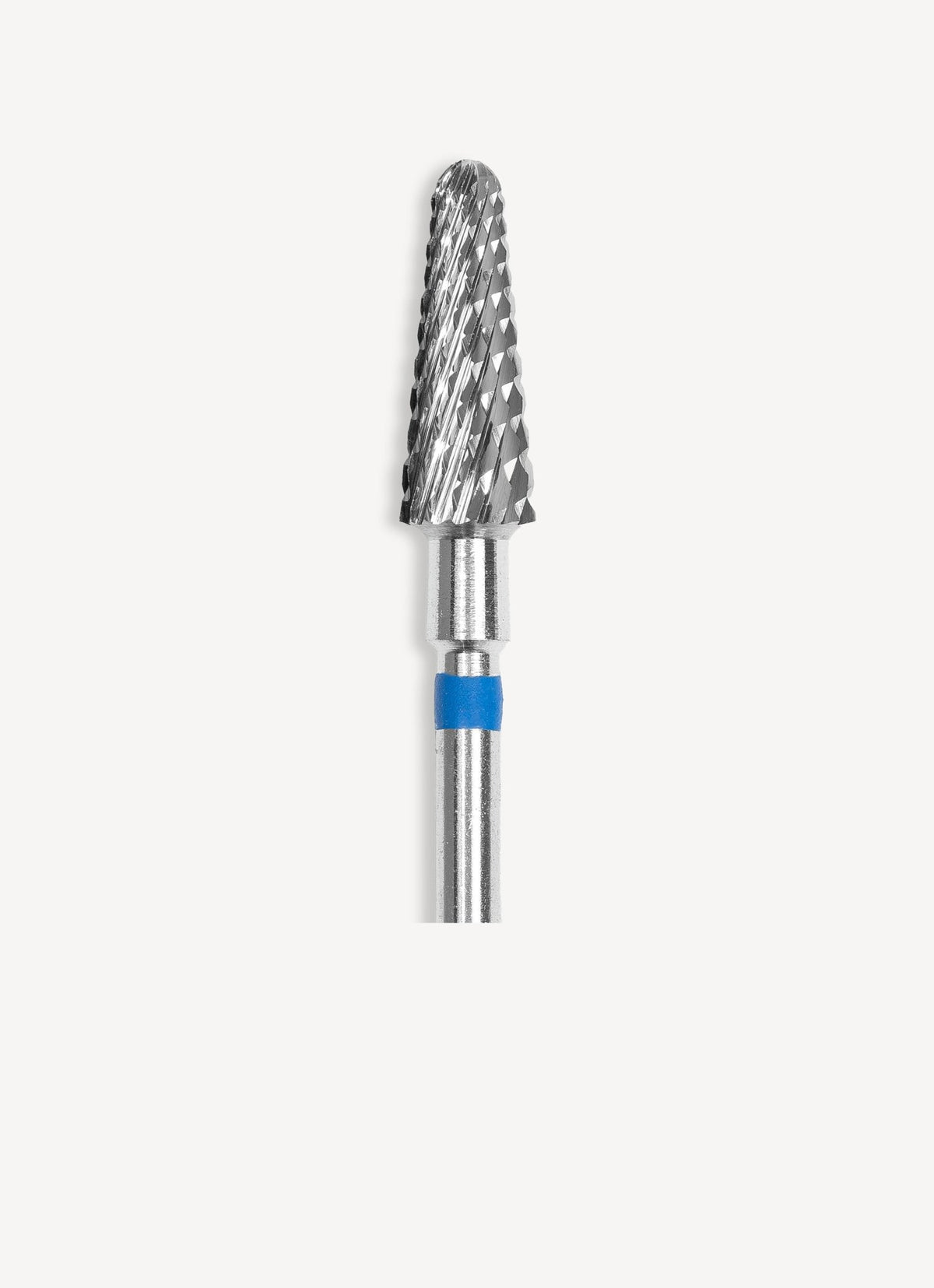

Nail Drill Bit for nails Carbide Removal Blue d050
Carbide removal, blue


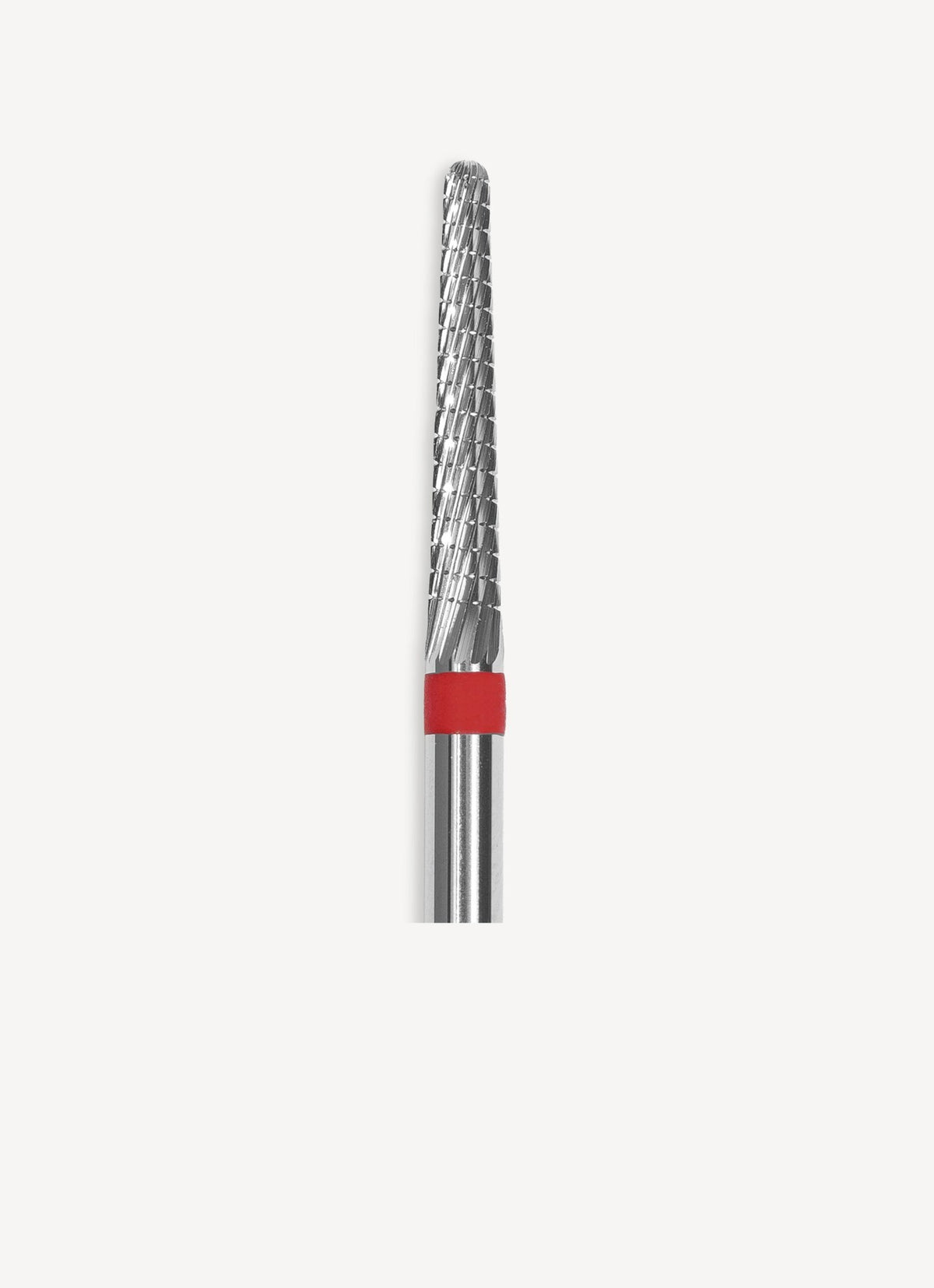

Nail Drill Bit for nails Carbide Finish Red d023
Carbide finishing, red
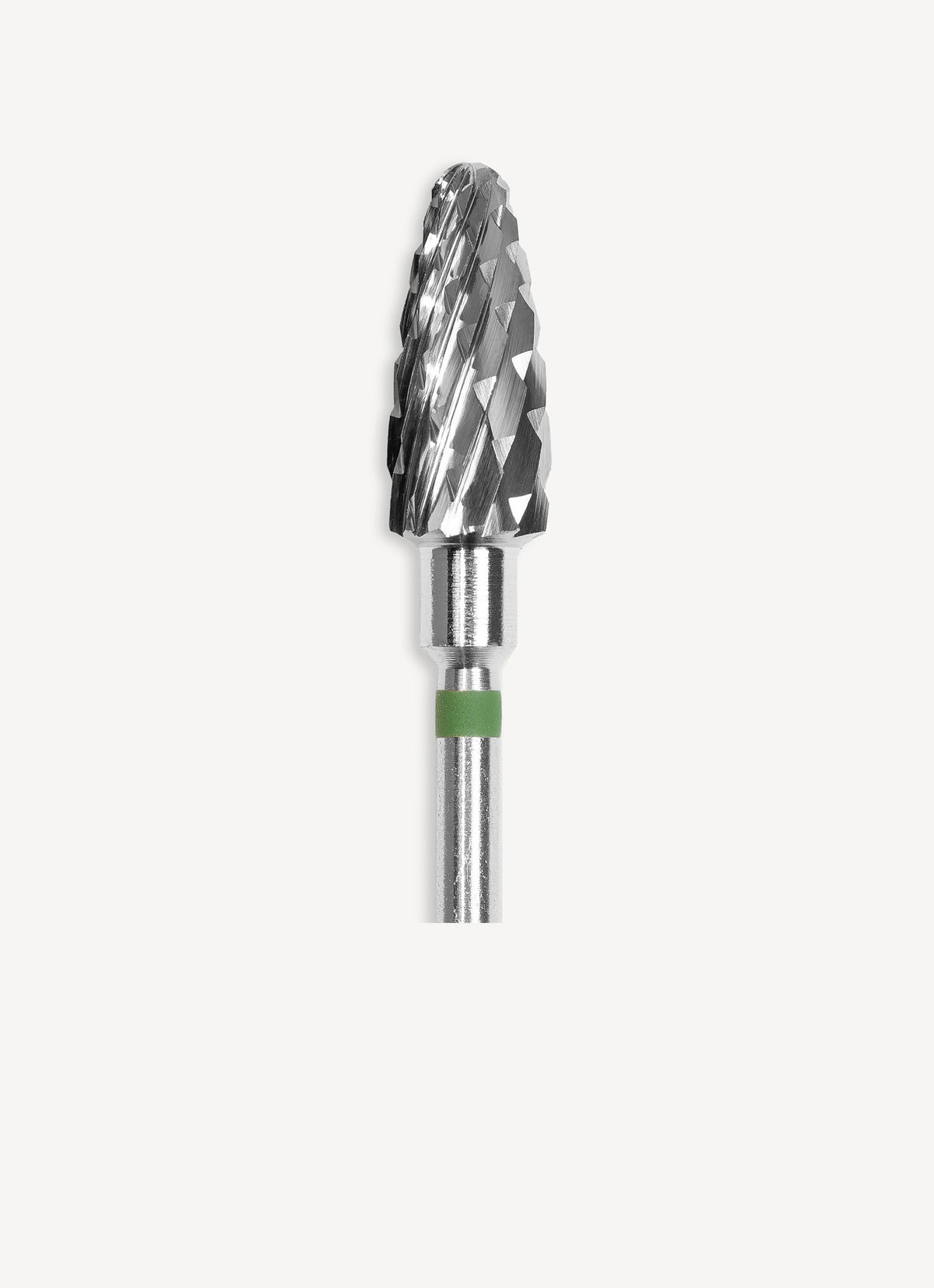

NAIL DRILL BIT D060
Carbide removal, green

Pointed Carbide Bit Removal Purple d060
Carbide removal, purple


Nail Drill Bit for Nails Carbide Remover for Left-Handed Blue d050
Carbide removal, left-handed, blue


Nail Drill Bit for nails Carbide Removal Red d050
Carbide removal, red


Nail Drill Bit for nails Carbide Finish Red d040
Carbide finishing, red


NAIL DRILL BIT D060
Carbide removal, yellow


Nail Drill Bit for Nails Carbide Remover for Left-Handed Blue d060
Carbide removal, left-handed, blue


NAIL DRILL BIT D014
Carbide finishing, blue


NAIL DRILL BIT D040
Removal, blue, left-handed


Nail Drill Bit for nails Carbide Removal Blue 2 d050
Carbide removal, blue 2


Nail Drill Bit for nails Carbide Finishing for Left-Handed Red d023
Carbide finishing, left-handed, red


Nail Drill Bit for nails Carbide Removal Blue 5 d050
Carbide removal, blue 5


Nail Drill Bit for nails Carbide Removal Black d060
Carbide removal, black
Nail Drill Bits for Gel and Gel Polish Removal
Quick guide: removal nail drill bits remove gel polish, gel, acrygel and structural material more quickly and with more control than a manual file alone. The right choice depends on the material to be removed, the grit, the bit shape, the nail technician's experience and the client's sensitivity.
How to choose a removal nail drill bit
Choosing well means looking beyond the colour. First, assess what you need to remove: gel polish, gel, acrygel or a very thick layer of product. Then choose the material, grit and shape. An overly aggressive bit on a thin nail plate can cause heat or loss of control; an overly gentle bit on hard material slows the work and requires more passes.
Carbide or ceramic: the practical difference
Carbide bits are widely used in salons because they work quickly on structural materials and maintain consistent performance. Ceramic bits are appreciated for a gentler feel and better heat management during removal. Both can be suitable for professional use: the choice depends on technique, the product to be removed and the nail technician's handling.
Colour-coded grits: a guide
- Yellow: gentler, useful for light work or controlled finishing.
- Red: suitable for gentler removal, gel polish or areas that need greater control.
- Blue: medium grit, very versatile for gel, acrygel and salon removal.
- Green: more aggressive, for experienced use on harder materials or thicker product layers.
- Purple: highly abrasive, to be used with technical control and only when faster removal is needed.
Recommended removal bits
- Red Carbide Removal Bit d060: a controlled choice for gentler removal.
- Blue Carbide Removal Bit d060: versatile for professional removal of gel and acrygel.
- Blue Carbide Removal Bit d050: useful when you want control over the diameter and amount of product removed.
- Purple Rounded Carbide Removal Bit d060: for faster removal with a rounded tip.
- Blue Ceramic Bit: suitable for control and heat management.
- Red Ceramic Bit: gentler than the blue bit, useful for controlled work.
Left-handed bits
Left-handed bits matter because the direction of work changes. Using a bit that is unsuitable for your working hand can reduce control, comfort and precision. If you work with your left hand, choose dedicated bits.
- Blue Left-Handed Carbide Removal Bit d050
- Blue Left-Handed Carbide Removal Bit d060
- Blue Left-Handed Removal Bit d040
How to use removal bits safely
Always use controlled movements without staying in one spot. Keep the bit parallel to the surface when removing product, and check the remaining thickness frequently. The aim is to remove material gradually and safely, without aggressively reaching the natural nail plate.
When to stop during removal
You do not need to remove every trace of product with the nail drill if doing so puts the nail plate at risk. As you approach the base or a thin structure, reduce pressure, change the bit or switch to a gentler finishing stage. For precision work, you can also consider manicure nail drill bits.
Related accessories
Professional removal requires a nail file to refine the shape and free edge, a buffer to even out the surface, and a professional nail drill with adjustable speed. After removal, assess preparation with nail preparation products and reapplication with gel polish base, gel or acrygel.
Mistakes to avoid
- Using an overly aggressive grit on a thin layer of material.
- Staying in one spot, causing heat.
- Pressing too hard instead of letting the bit do the work.
- Using worn bits or bits that have not been cleaned properly.
- Removing too much product and stressing the natural nail plate.
- Using a right-handed bit when working left-handed.
To compare manicure, finishing and smoothing bits and other shapes, explore all professional nail drill bits.
FAQ
Which nail drill bit should I use to remove gel?
For gel and acrygel, a blue-grit carbide bit is often a versatile choice. For harder materials or thick layers, a more abrasive grit may be considered, always with technical control.
Which bit should I use for gel polish?
For gel polish, choose a gentler bit, such as red or yellow, or use lighter pressure to avoid stressing the natural nail plate.
Is carbide or ceramic better?
Carbide is highly efficient on structural materials. Ceramic can be more comfortable in terms of heat management. The choice depends on technique, the product and the client's sensitivity.
Are left-handed bits really different?
Yes. They are designed to work better in the direction used by the left hand, improving control and comfort during removal.
How can I avoid heat during removal?
Keep moving, avoid excessive pressure, use a suitable bit and work with continuous, controlled movements.


Business Club
Have a VAT number?
Join Cactus Business Club!
A permanent 15% discount on all Cactus-branded products.

Jolly Points
1 POINT for every €1 SPENT
Shop, collect* points and turn them into credit
for your next orders.
*To earn Jolly Points, you must be logged in to your account when you make your purchase.